In today’s automation-driven world, choosing the right actuator control solution is critical for performance, safety, and efficiency. When evaluating options, businesses often compare Wireless vs Wired Actuator Control Systems to determine which one best fits their application.
While both systems serve the same fundamental purpose—controlling linear motion—they are designed for very different environments. Therefore, understanding their differences, advantages, and ideal use cases is essential before making a decision.
At Polar Automation, we specialize in both technologies. However, wireless actuator systems are typically used for general and industrial applications, whereas wired actuator control systems are preferred for healthcare and medical environments.
Understanding Actuator Control Systems
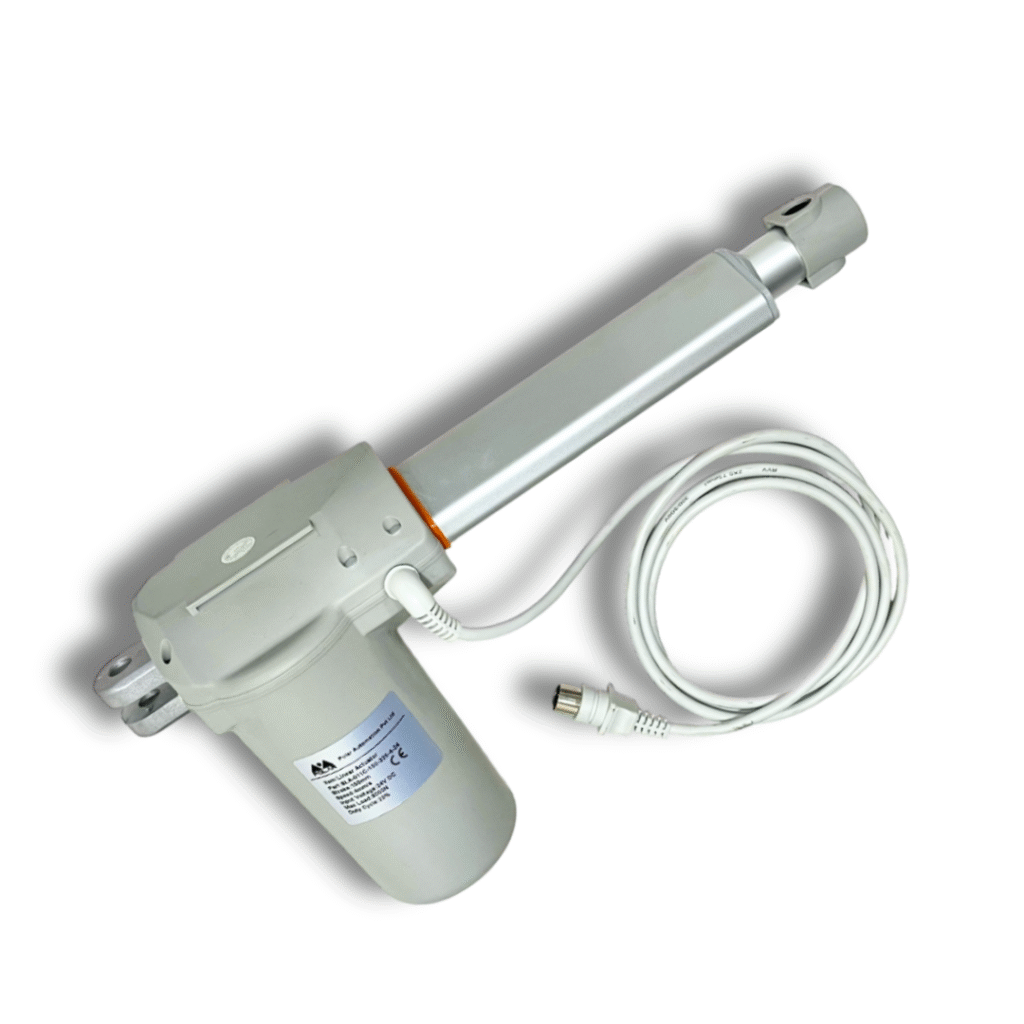
A linear actuator controller is responsible for managing the movement of actuators by controlling direction, speed, and positioning. These systems can operate using either wired connections or wireless communication.
- A wired actuator control system uses physical cables, handsets, or control panels
- A wireless actuator control system uses remote communication such as RF or Bluetooth
Both systems operate on reliable power sources like a 24V linear actuator control system, ensuring stable and efficient performance.
What is a Wireless Actuator Control System?
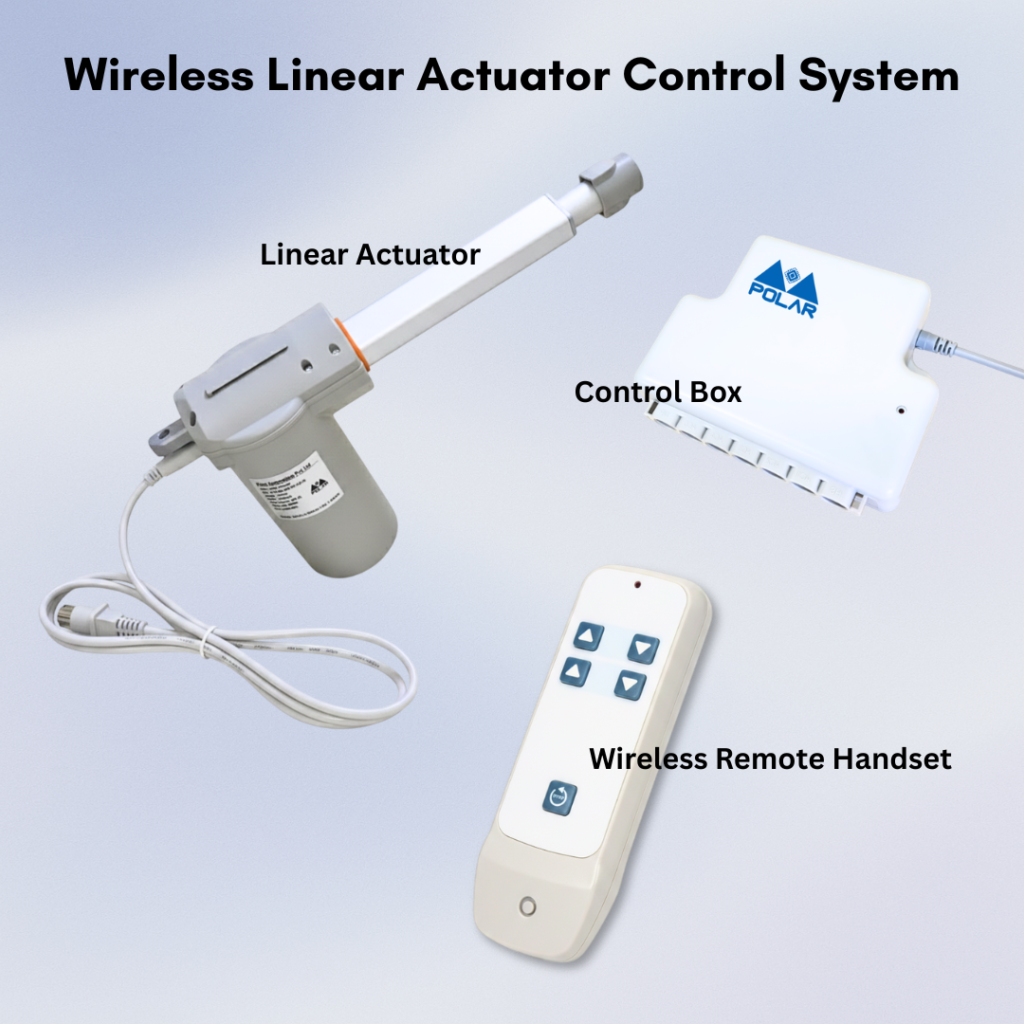
A wireless actuator control system eliminates the need for physical wiring between the controller and the user interface. Instead, it uses remote handsets or communication modules for seamless operation.
👉 Learn more:
https://polar-automation.com/wireless-linear-actuator-control-system-in-india/
Key Features
- Wireless remote control with a range of 15–20 meters
- Easy installation with minimal wiring
- Compact and flexible design
- Supports independent actuator control
- Built-in safety and overload protection
Additionally, systems such as a wireless actuator remote control system or bluetooth controlled linear actuator provide enhanced convenience in modern automation setups.
Applications of Wireless Systems
Wireless solutions are designed for general and industrial applications, where flexibility and ease of installation are important.
Common applications include:
- Industrial automation systems
- Adjustable workstations
- Smart furniture and home automation
- Agricultural equipment
- Solar tracking systems
- Custom machinery and OEM projects
Therefore, if your project requires mobility, scalability, or minimal wiring, a wireless solution is often the better choice.
What is a Wired Actuator Control System?
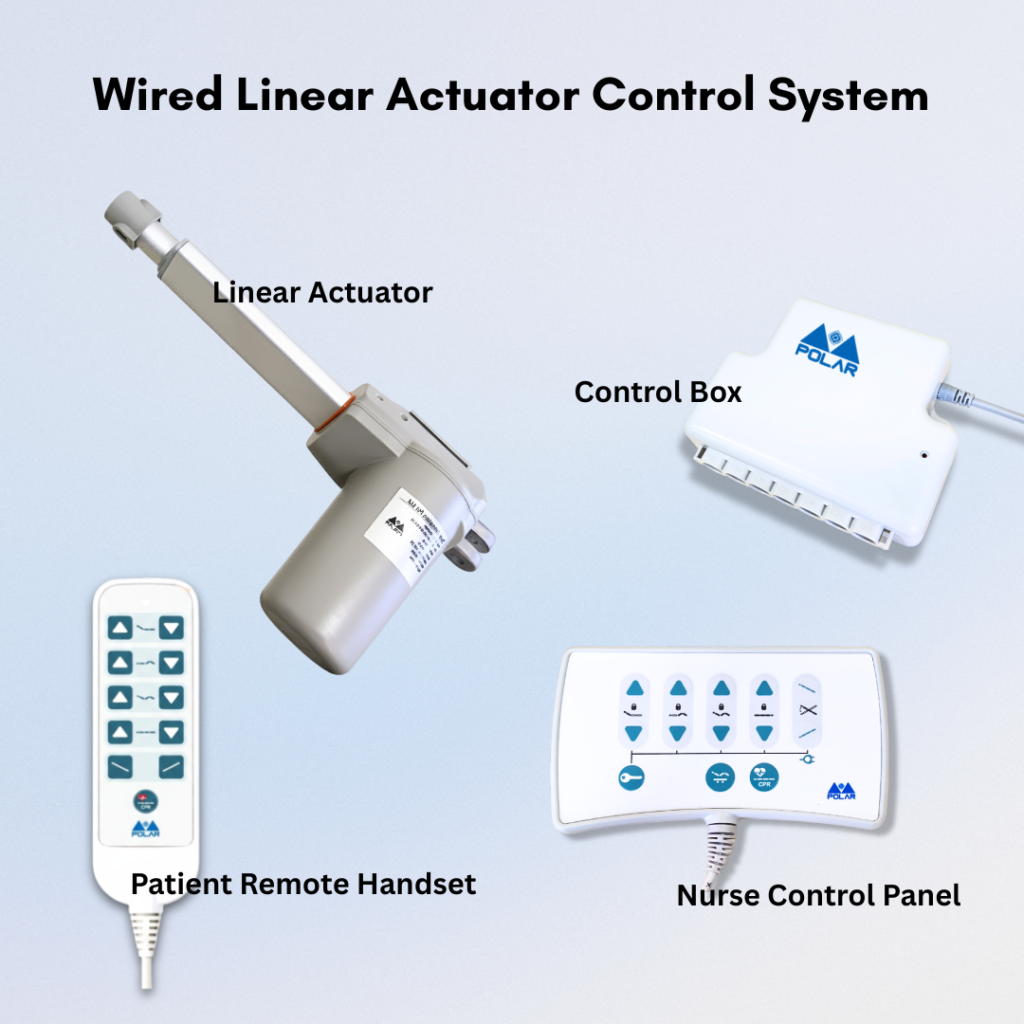
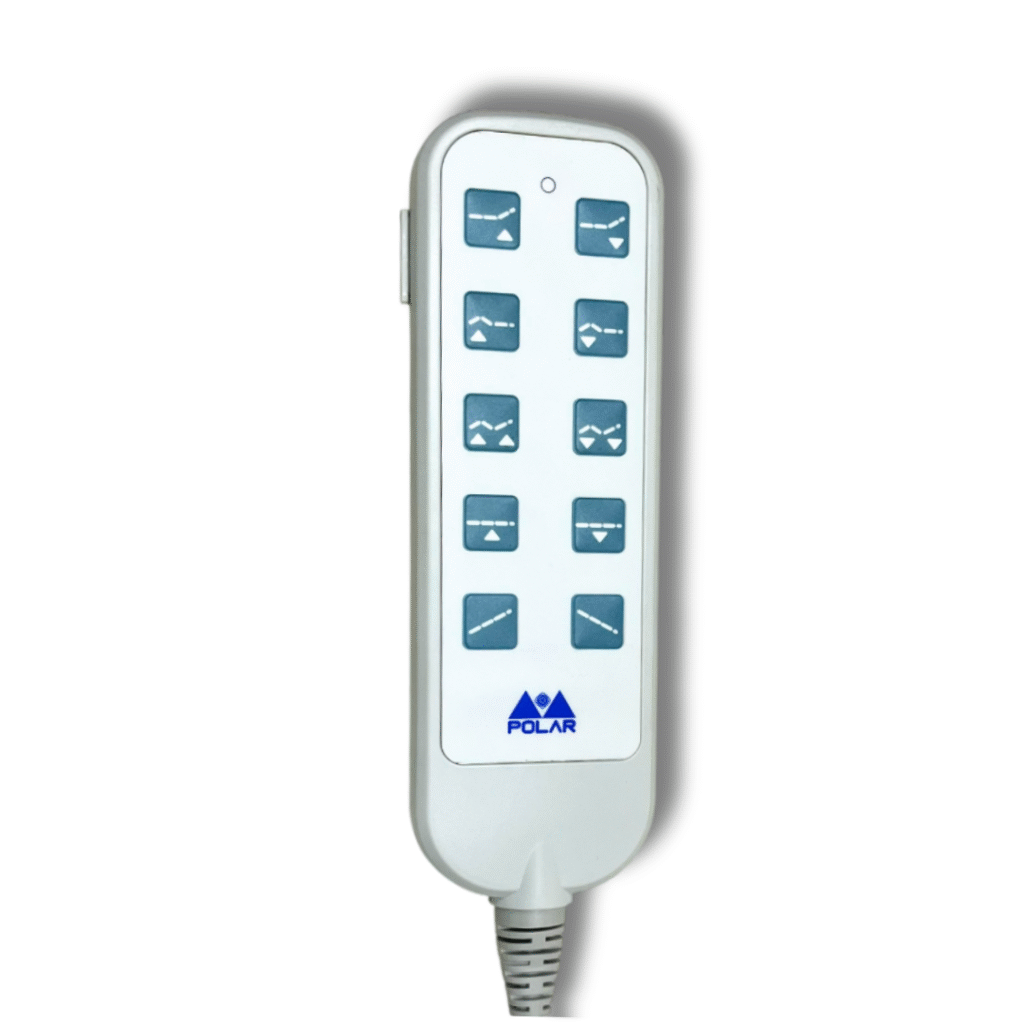
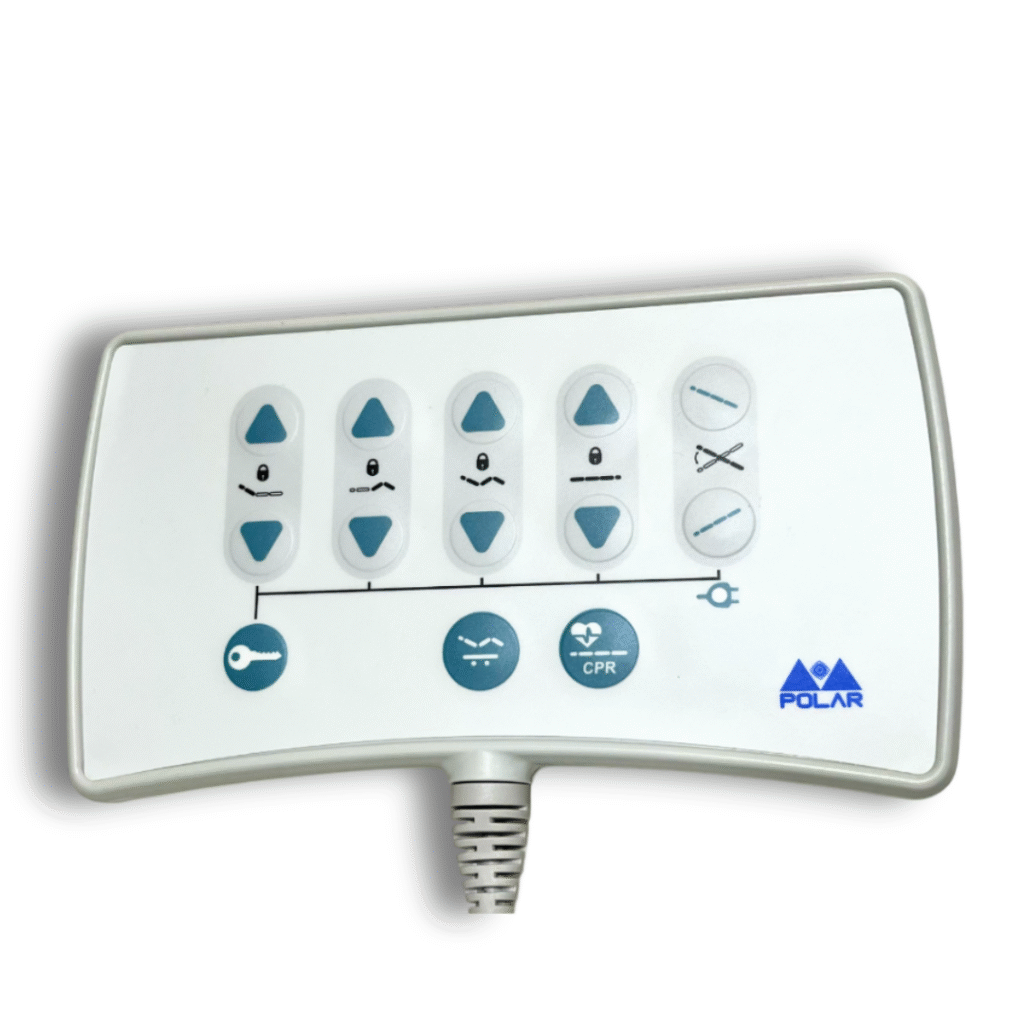
A wired actuator control system uses physical connections such as cables, handsets, and control boxes to operate actuators. These systems are known for their reliability and precise control.
👉 Learn more:
https://polar-automation.com/solutions/linear-actuator-control-system/
Key Features
- Stable and interference-free operation
- Supports multiple actuators (up to 4)
- Wired handsets and nurse control panels
- High precision and synchronization
- Strong safety and feedback mechanisms
In addition, a linear actuator controller kit in wired systems is often designed for long-term durability and continuous operation.
Applications of Wired Systems
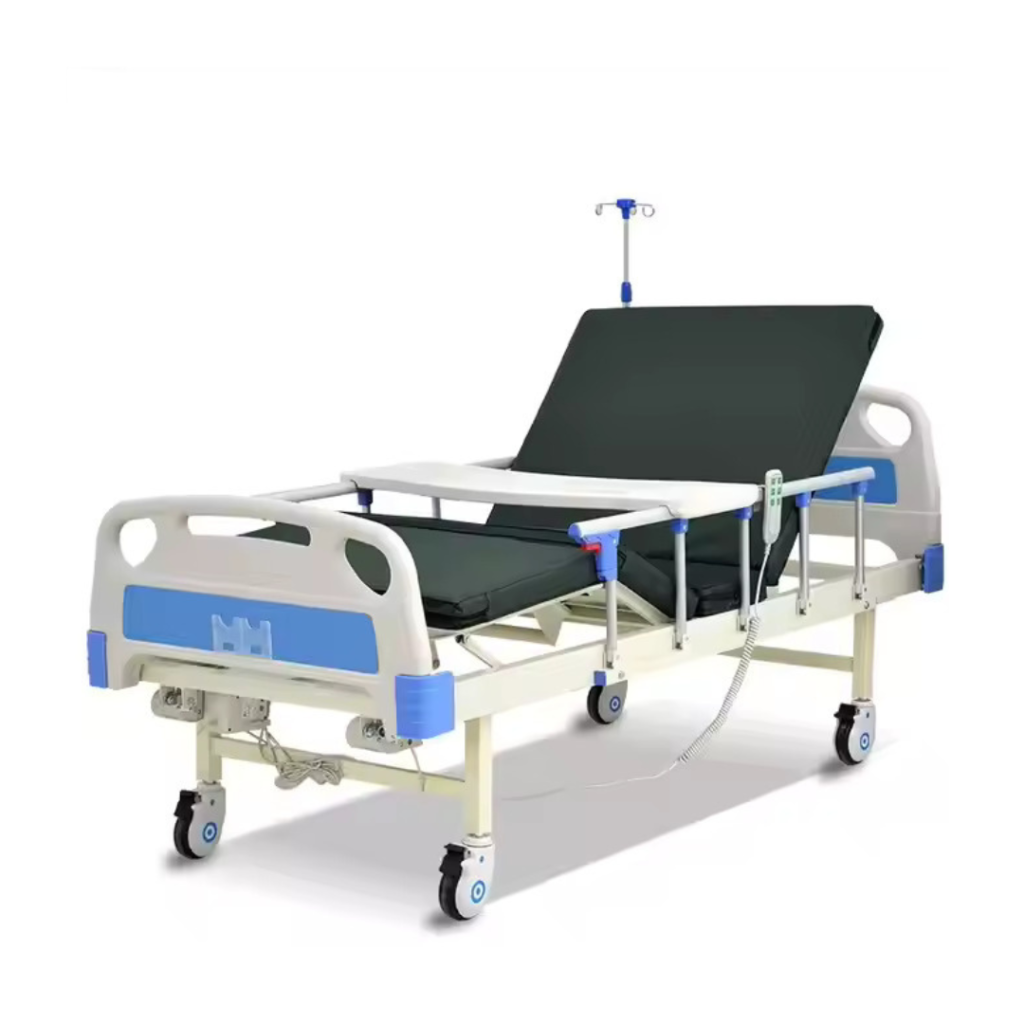
Unlike wireless systems, wired actuator solutions are primarily used in healthcare and medical applications, where reliability and safety are critical.
Typical applications include:
- Hospital beds
- ICU and home care beds
- Surgical and examination tables
- Patient lifts
- Rehabilitation equipment
- Dental chairs
Since these environments demand uninterrupted performance, wired actuator control system manufacturers focus heavily on safety, precision, and compliance.
Wireless vs Wired Actuator Control Systems: Key Differences
Understanding the difference between the two systems helps you choose the right solution for your application.
1. Installation
- Wireless: Quick and easy installation with minimal wiring
- Wired: Requires structured wiring and setup
Therefore, wireless systems reduce installation time significantly.
2. Flexibility
- Wireless: Highly flexible and easy to relocate
- Wired: Fixed installation
As a result, wireless systems are better for dynamic environments.
3. Reliability
- Wireless: Reliable, but may face signal interference in rare cases
- Wired: Extremely stable and interference-free
Hence, wired systems are preferred in critical applications like healthcare.
4. Control & Precision
- Wireless: Good control with remote convenience
- Wired: High precision and synchronization
Thus, for precise positioning, wired systems are often the better choice.
5. Application Focus
- Wireless: General and industrial applications
- Wired: Healthcare and medical equipment
This is one of the most important deciding factors.
6. Maintenance
- Wireless: Lower maintenance due to fewer cables
- Wired: Requires cable management but offers long-term stability
7. Cost Consideration
The wireless linear actuator system price may vary depending on features such as remote range, number of actuators, and customization.
However:
- Wireless systems reduce installation costs
- Wired systems offer long-term reliability value
When Should You Choose Wireless?
You should consider a wireless actuator control system if:
- Your application requires flexibility
- You want quick installation
- Wiring is difficult or expensive
- Mobility and remote operation are important
For example, automation projects, smart furniture, and industrial setups benefit greatly from wireless systems.
When Should You Choose Wired?
A wired actuator control system is ideal if:
- Safety and reliability are critical
- The system is used in healthcare environments
- You need precise and synchronized movement
- Continuous operation is required
Therefore, hospitals and medical equipment manufacturers rely heavily on wired solutions.
How Polar Automation & Linepro Controls Support Your Needs
At Polar Automation, we design advanced wireless actuator control systems tailored for modern automation and industrial applications. Our solutions focus on ease of use, flexibility, and smart control.
We Offer:
- Customized solutions for OEMs
- High-performance actuator systems
- Reliable 24V linear actuator control system designs
- Scalable and application-specific configurations
Final Thoughts
Choosing between Wireless vs Wired Actuator Control Systems is not about which one is better—it’s about selecting the right solution for your specific application.
- If your focus is flexibility, ease of installation, and modern automation, go with wireless
- If your priority is safety, precision, and reliability in healthcare, choose wired
Ultimately, understanding your application requirements will guide you toward the best decision.