Introduction
The dental industry is rapidly evolving toward automation, and therefore, precision-based equipment is becoming more important than ever. In this transformation, the dental chair linear actuator plays a crucial role. It ensures smooth, controlled, and accurate movement of dental chairs. As a result, dentists can perform procedures more efficiently, while patients experience better comfort.
Moreover, modern dental clinics require equipment that is silent, reliable, and easy to control. Because of this, electric actuator systems are now widely replacing traditional mechanisms. At Polar Automation, advanced actuator solutions are designed specifically to meet these demanding healthcare requirements.
In this blog, we will therefore understand the working, components, applications, and benefits of dental chair linear actuators in detail.
What is a Dental Chair Linear Actuator?
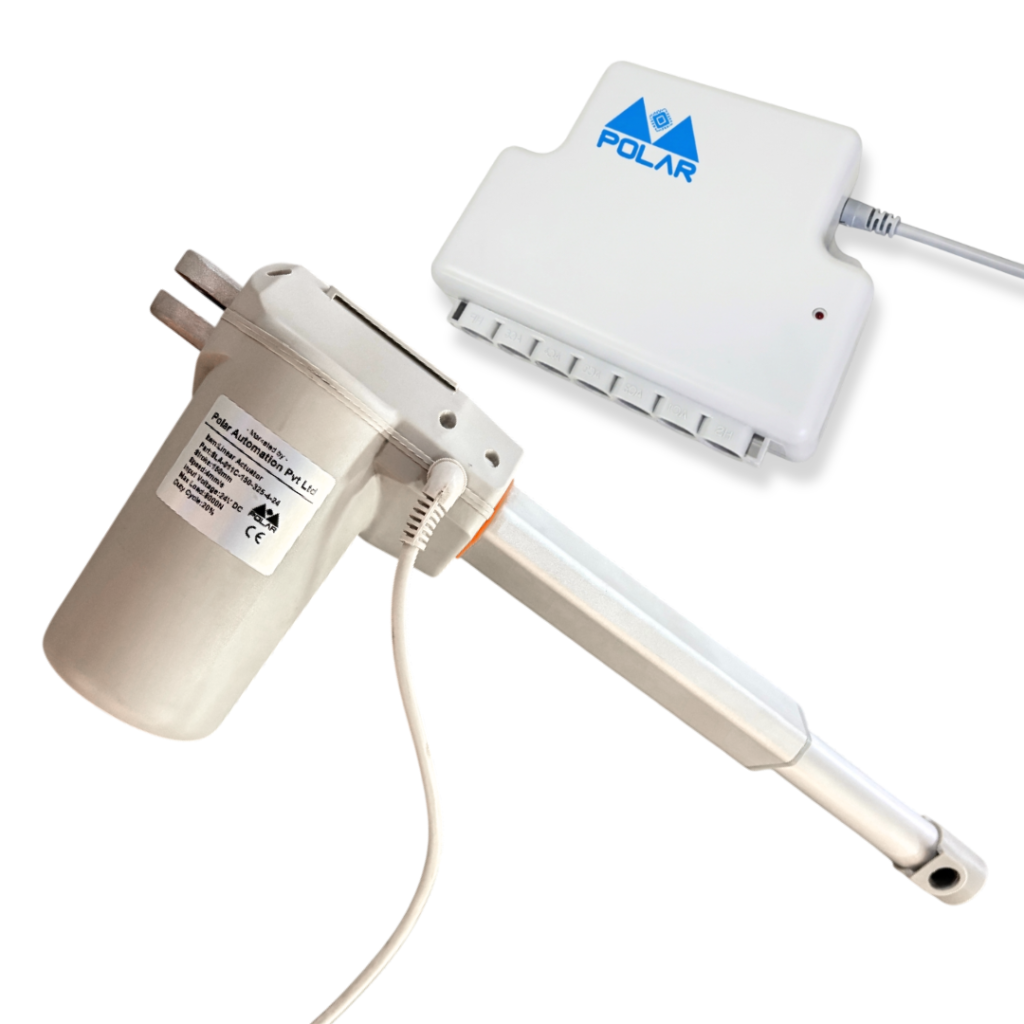
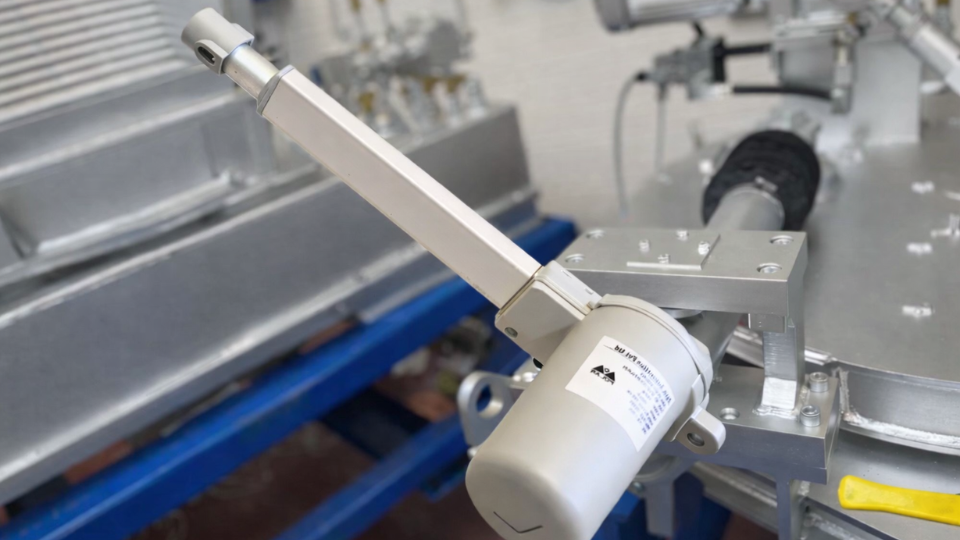
A dental chair linear actuator is an electromechanical device that converts electrical energy into linear motion. In simple terms, it helps move different parts of a dental chair in a controlled manner.
For instance, it adjusts:
- Seat height
- Backrest angle
- Leg support
- Chair tilt and positioning
In contrast to hydraulic systems, an electric linear actuator system offers cleaner operation, higher accuracy, and lower maintenance. Therefore, it is widely preferred in modern dental environments where hygiene and precision are critical.
Working of Dental Chair Linear Actuator
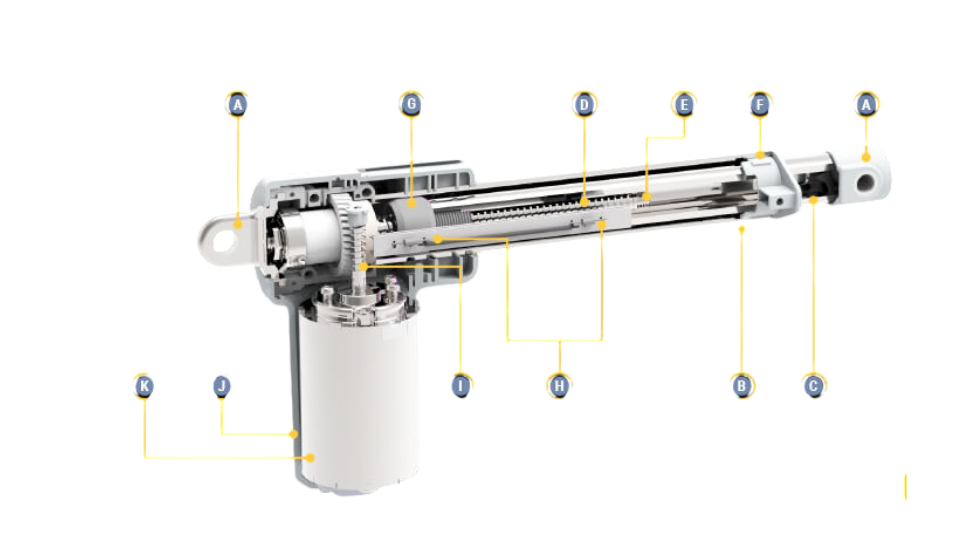
The working of a dental chair linear actuator developed by Polar Automation is based on controlled conversion of electrical energy into mechanical movement. Consequently, the dental chair moves smoothly and accurately during operation.
Step 1: Power Input
First, the actuator receives regulated DC power, typically 12V or 24V, from the control system. This ensures safe and stable performance in medical environments.
Step 2: Motor Activation
Next, the internal DC motor starts rotating once power is supplied. Importantly, this motor is designed for low noise and long life, which is essential for dental applications.
Step 3: Motion Transmission System
After that, the rotational motion is transferred through a precision mechanical system. As a result, speed is reduced while torque is increased, ensuring controlled movement.
Step 4: Linear Motion Generation
Subsequently, the system converts rotary motion into precise linear movement. Therefore, the dental chair adjusts smoothly to the required position.
Step 5: Controlled Chair Movement
Finally, based on control signals, the actuator extends or retracts. In this way, it adjusts height, tilt, or recline positions with stability and accuracy.
Final Outcome
Overall, this entire process ensures silent operation, high precision, stable load handling, and long service life, which are essential for dental procedures.
Key Components of Dental Chair Linear Actuator
A high-quality electric linear actuator system consists of several important components. Each of them plays a vital role in performance.
1. Electric Motor
To begin with, the motor generates rotational force. Moreover, it is designed for energy efficiency and silent operation.
2. Mechanical Transmission System
In addition, this system transfers motion and increases torque for smooth lifting performance.
3. Outer Housing
Furthermore, the housing protects internal parts from dust, moisture, and mechanical damage.
4. Control Interface
Meanwhile, the control system manages direction, speed, and positioning based on user input.
5. Sensors (Feedback System)
Similarly, sensors provide feedback to ensure accurate movement and positioning.
6. Mounting Brackets
Finally, brackets ensure stable installation and secure fitting within the dental chair structure.
Types of Dental Chair Linear Actuator Used
There are several types of actuators used depending on application needs. Therefore, selection depends on design and load requirements.
1. Inline Linear Actuators
These are compact and efficient. As a result, they are widely used in modern dental chairs.
2. Parallel Linear Actuators
In contrast, these are used where space is limited and compact design is required.
3. High Load Capacity Linear Actuators
Moreover, these are designed for heavy-duty usage. Therefore, they are ideal for high-usage dental clinics.
4. Custom Linear Actuators
Additionally, custom actuators are designed based on OEM requirements such as stroke, load, and speed.
Benefits of Dental Chair Linear Actuator
The use of motorized linear actuator India solutions has significantly improved dental equipment performance. Therefore, clinics are rapidly adopting this technology.
1. Smooth and Silent Operation
First and foremost, the actuator ensures noise-free movement, which improves patient comfort.
2. High Precision Control
Moreover, it allows dentists to position chairs accurately for different treatments.
3. High Load Capacity
In addition, a high load capacity linear actuator ensures stable performance even under continuous use.
4. Improved Patient Comfort
As a result, smooth motion reduces stress and enhances patient experience.
5. Better Ergonomics
Similarly, dentists can work in better posture, which reduces physical strain.
6. Low Maintenance
Furthermore, electric systems require less maintenance compared to hydraulic systems.
7. Energy Efficiency
At the same time, these systems consume less power while maintaining performance.
8. Enhanced Safety
Finally, built-in safety systems ensure controlled and secure operation.
Applications in Dental Chairs
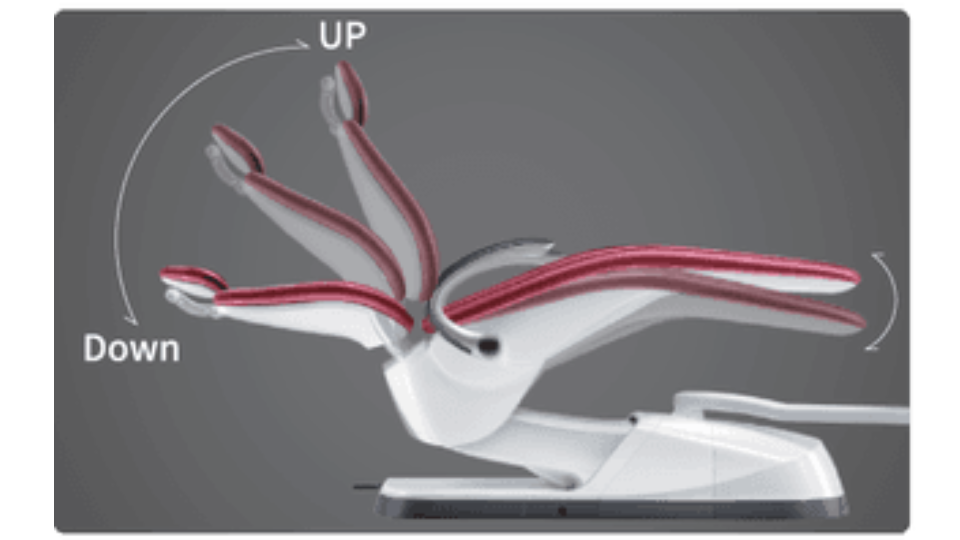
A dental chair linear actuator is widely used across multiple functions. For example:
- Chair height adjustment
- Backrest reclining
- Leg support movement
- Headrest positioning
- Full chair tilt control
Therefore, it plays a vital role in ensuring smooth dental procedures and patient comfort.
Why OEMs Prefer Linear Actuators
Modern manufacturers prefer OEM linear actuator for dental chairs because it offers multiple advantages. For instance:
- Easy integration into chair systems
- Compact and lightweight design
- Reliable continuous performance
- Compatibility with electronic controls
- Long operational life
Moreover, leading linear actuator manufacturers in India are focusing on advanced designs that meet global standards.
Polar Automation Solutions for Dental Chair Linear Actuator
Polar Automation specializes in advanced motion control systems. In fact, their electric linear actuator systems are engineered for healthcare precision.
Specifically, they offer:
- Smooth and accurate motion control
- High durability and reliability
- Custom engineering for OEM needs
- Stable performance in medical environments
- Easy system integration
Therefore, Polar Automation supports manufacturers in building next-generation dental equipment.
Future of Dental Chair Linear Actuator
The future of dental automation is becoming smarter. For example, new systems are evolving with:
- IoT-based control systems
- Memory positioning features
- Ultra-quiet actuator designs
- Energy-efficient motors
- Smart digital integration
As a result, custom linear actuators will play a major role in next-generation dental technology.
Conclusion
In conclusion, the dental chair linear actuator is a vital component in modern dental systems. It ensures smooth movement, precise control, and enhanced comfort for both dentists and patients.
Moreover, with growing demand for electric linear actuator systems, high load capacity actuators, and OEM solutions, Polar Automation continues to deliver advanced motion technology in India.
Finally, as dental clinics move toward automation, linear actuators will remain essential for improving efficiency, safety, and patient experience.