Precise and controlled motion is essential for modern industries. Therefore, Linear Actuator Systems play an important role in this field. They convert electrical, hydraulic, or pneumatic energy into straight-line motion. As a result, machines achieve high accuracy and consistent performance in industrial automation.
In addition, these systems improve productivity and reduce manual effort across industrial processes.
What is a Linear Actuator System?
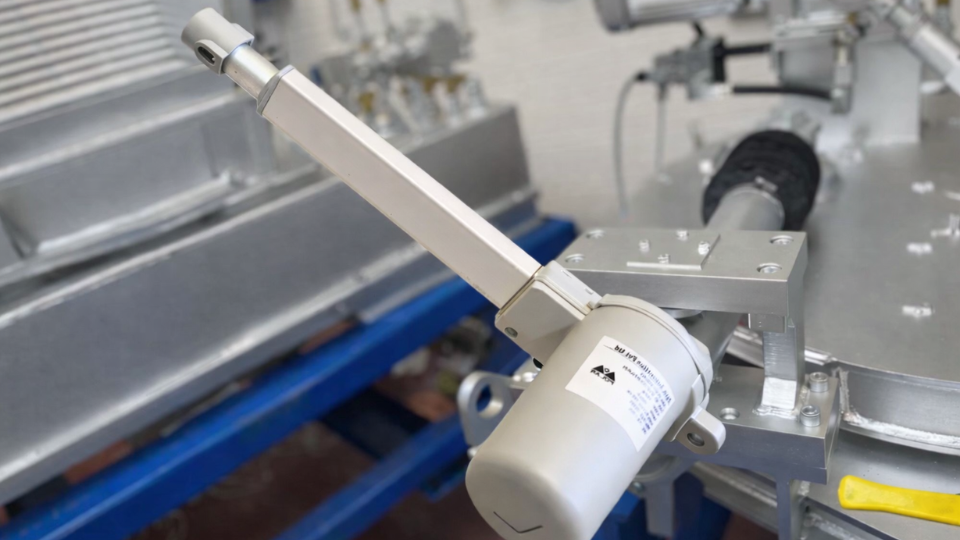
A linear actuator system produces motion in a straight line. It works by converting input energy into mechanical movement through a motor and drive mechanism.
Moreover, the system controls speed, position, and force with high accuracy. Because of this, industries can achieve reliable motion in automated operations.
It also integrates with PLC systems, which improves control and monitoring in industrial environments.
Applications of Linear Actuator Systems in Industrial Automation
Linear actuator systems are used across many industries. Below are the key applications.
1. Manufacturing Industry
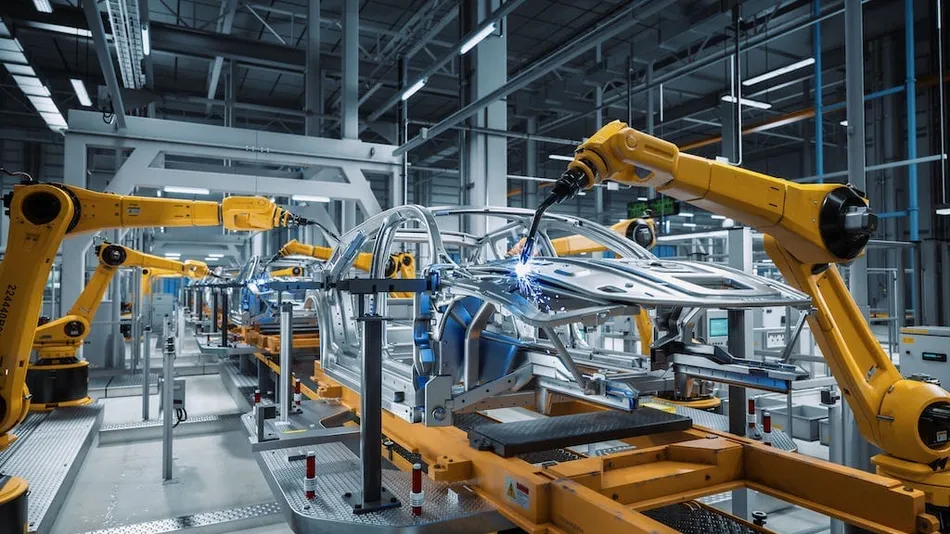
Manufacturing units use these systems for positioning and assembly tasks. They support component alignment and automated production lines.
Therefore, production becomes faster and more consistent. They also reduce manual dependency and improve output quality.
2. Material Handling Systems
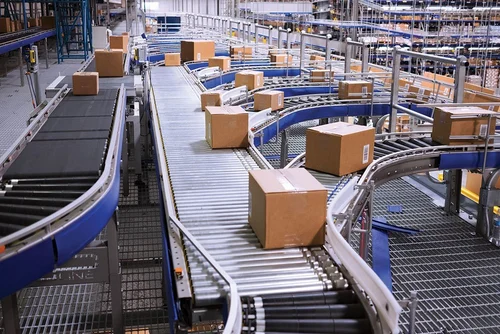
Material handling requires smooth and controlled movement. Its help move conveyors, lift materials, and support sorting operations.
As a result, material flow becomes efficient and stable. They also improve workplace safety by reducing manual lifting.
3. Packaging Industry
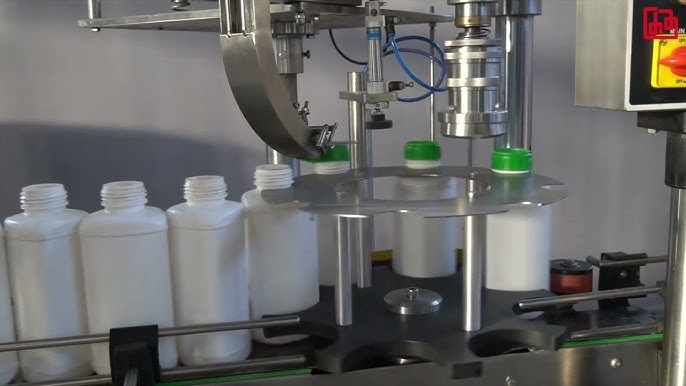
Packaging lines rely on speed and accuracy. These systems manage filling, sealing, and labeling tasks.
In addition, they ensure uniform packaging at high speed. This reduces errors and improves production efficiency.
4. Robotics and Automation
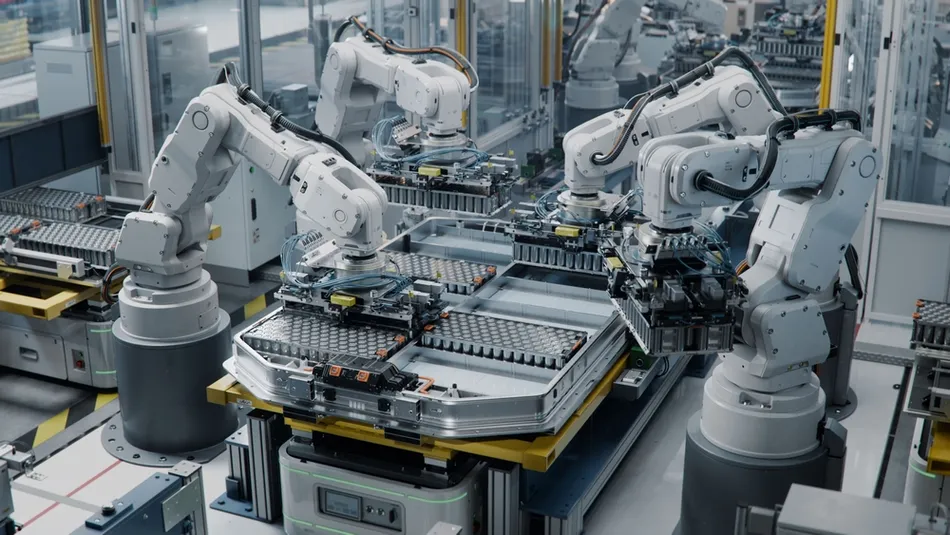
Robotic systems depend on precise motion control. Linear actuator systems support arm movement and repetitive task execution.
Therefore, robots perform with high accuracy and repeatability. They also improve consistency in industrial automation tasks.
5. Automotive Industry
Automotive production uses these systems in assembly and welding processes. They support positioning and testing operations.
As a result, production lines run smoothly and efficiently. Safety also improves because manual handling is reduced.
6. CNC Machines
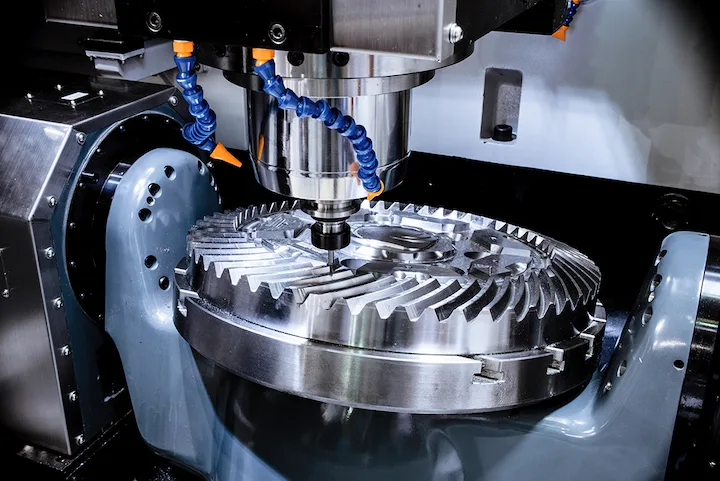
CNC machines require accurate axis control. Linear actuator systems manage tool positioning and machining movements.
In addition, they ensure precise cutting and consistent output quality. This improves overall manufacturing accuracy.
7. Testing Systems
Testing equipment uses these systems for load and compression testing. They simulate controlled motion for product evaluation.
Therefore, test results become more reliable. Industries can easily identify performance issues early.
Benefits of Linear Actuator Systems in Industrial Automation
Linear actuator systems offer several advantages in automation:
- High precision motion control
- Improved operational efficiency
- Reduced manual intervention
- Easy PLC integration
- Low maintenance requirements
Moreover, they support modern smart manufacturing systems and Industry 4.0 processes.
Importance in Modern Automation
Modern industries demand speed, accuracy, and flexibility. Therefore, linear actuator systems are widely used in automated production environments.
They help maintain consistent output and improve process control. In addition, they support advanced manufacturing technologies.
As a result, industries achieve higher productivity and better reliability.
Conclusion
Linear actuator systems are essential in industrial automation. They are used in manufacturing, robotics, packaging, automotive, CNC, and testing applications.
Therefore, industries achieve better precision, efficiency, and performance. As automation continues to grow, these systems will become even more important.
