Dental Chair Linear Actuator: Working, Components & Benefits

Introduction

The dental industry is rapidly evolving toward automation, and therefore, precision-based equipment is becoming more important than ever. In this transformation, the dental chair linear actuator plays a crucial role. It ensures smooth, controlled, and accurate movement of dental chairs. As a result, dentists can perform procedures more efficiently, while patients experience better comfort.

Moreover, modern dental clinics require equipment that is silent, reliable, and easy to control. Because of this, electric actuator systems are now widely replacing traditional mechanisms. At Polar Automation, advanced actuator solutions are designed specifically to meet these demanding healthcare requirements.

In this blog, we will therefore understand the working, components, applications, and benefits of dental chair linear actuators in detail.


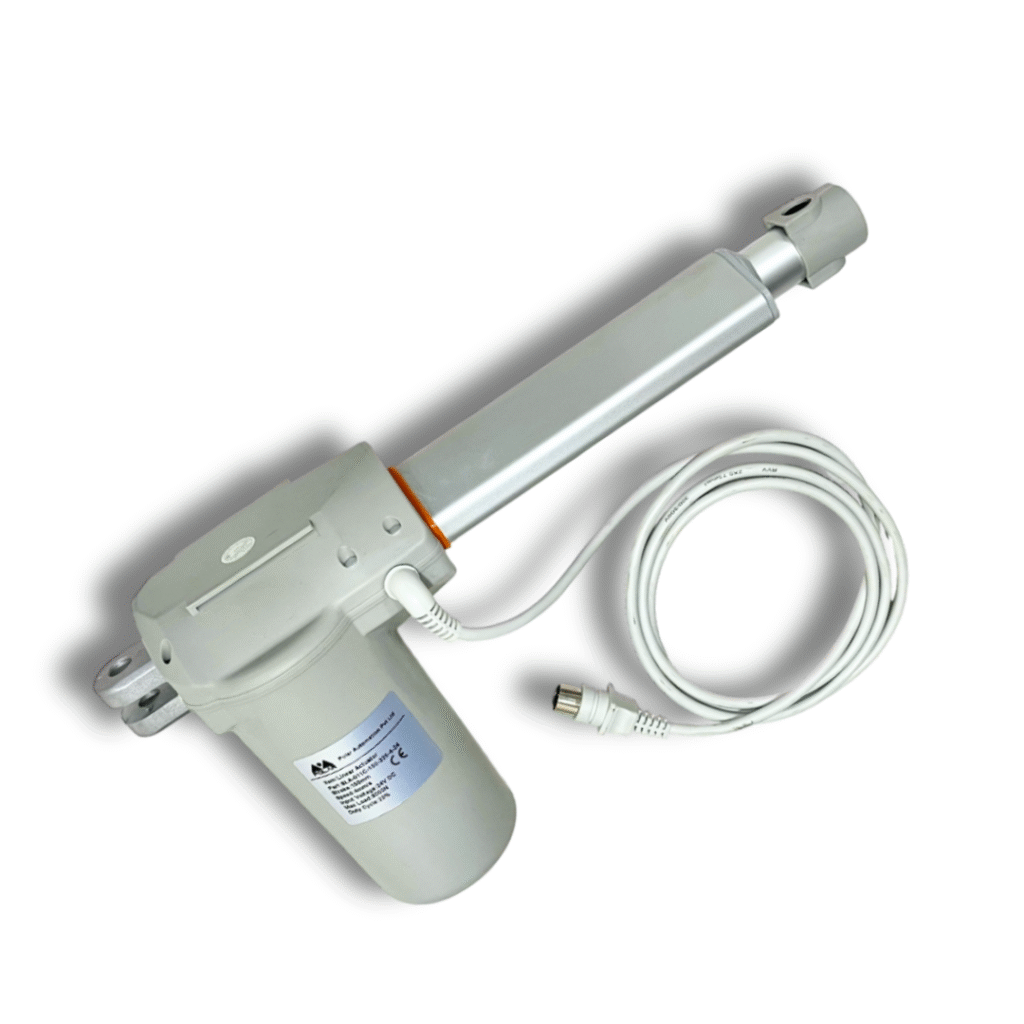
What is a Dental Chair Linear Actuator?

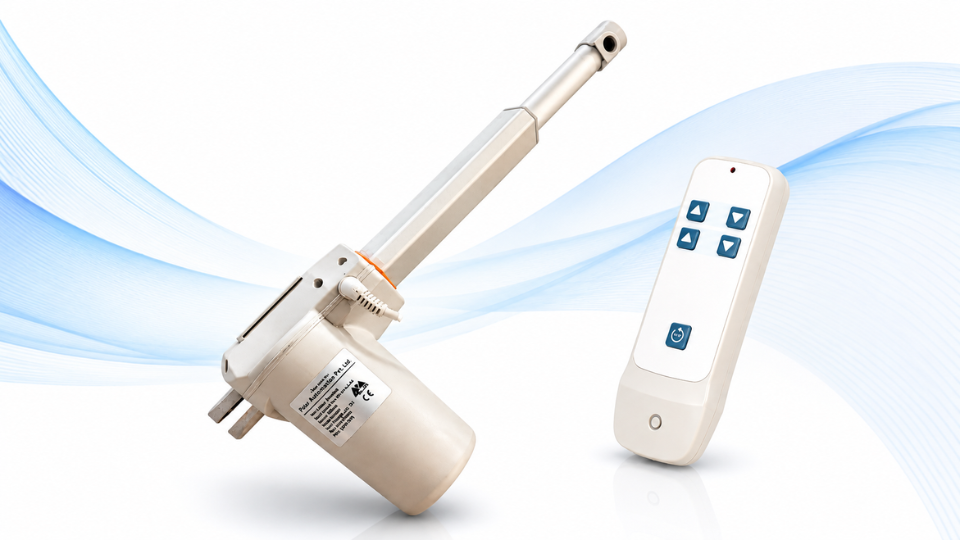
Dental Chair Linear Actuator

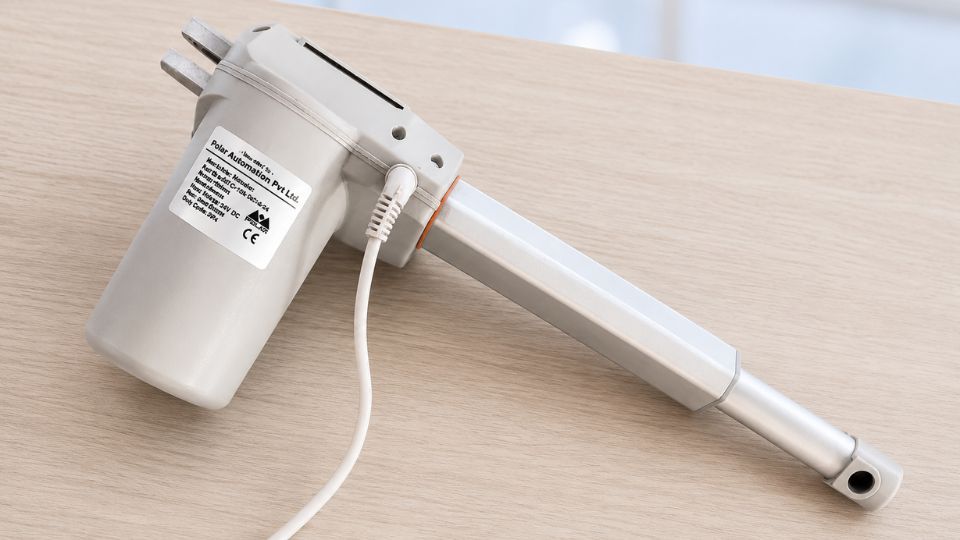
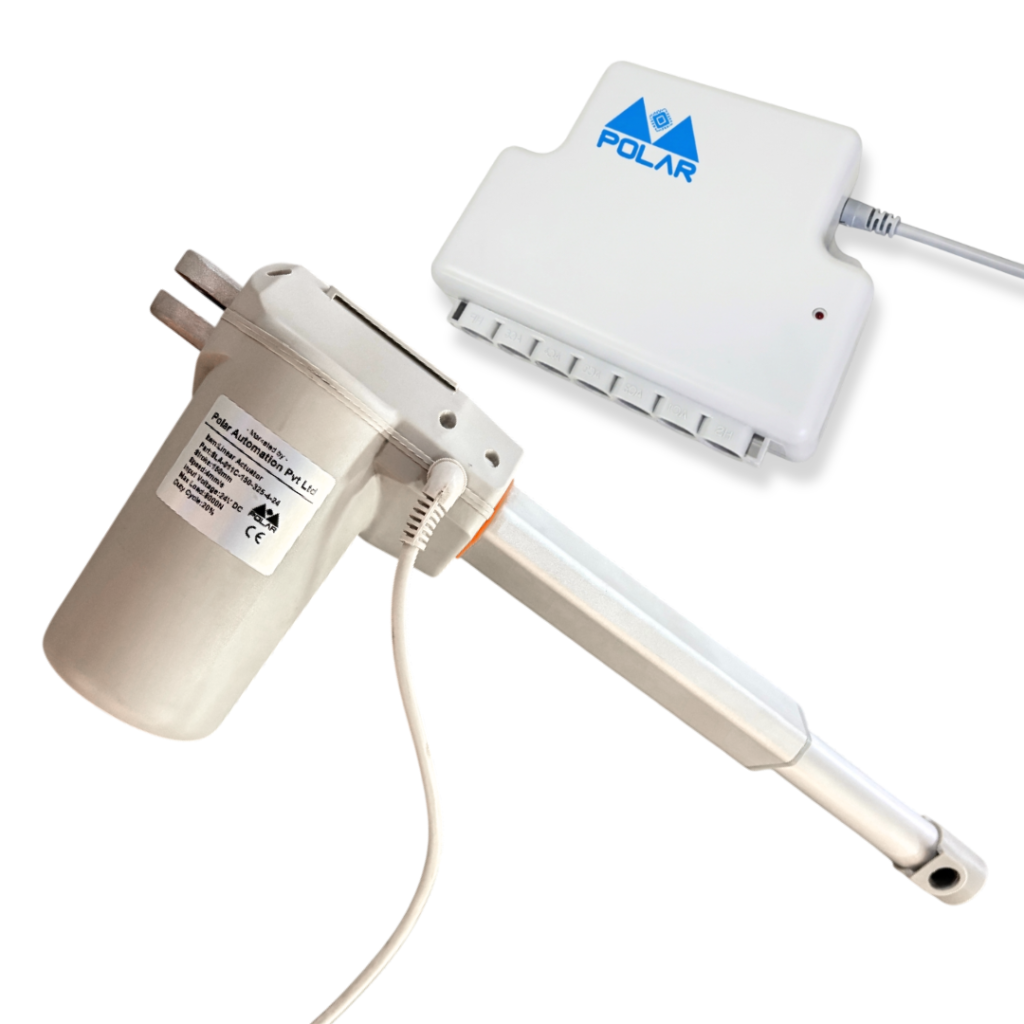
A dental chair linear actuator is an electromechanical device that converts electrical energy into linear motion. In simple terms, it helps move different parts of a dental chair in a controlled manner.

For instance, it adjusts:

  • Seat height
  • Backrest angle
  • Leg support
  • Chair tilt and positioning

In contrast to hydraulic systems, an electric linear actuator system offers cleaner operation, higher accuracy, and lower maintenance. Therefore, it is widely preferred in modern dental environments where hygiene and precision are critical.


Working of Dental Chair Linear Actuator

Dental Chair Linear Actuator

The working of a dental chair linear actuator developed by Polar Automation is based on controlled conversion of electrical energy into mechanical movement. Consequently, the dental chair moves smoothly and accurately during operation.

Step 1: Power Input

First, the actuator receives regulated DC power, typically 12V or 24V, from the control system. This ensures safe and stable performance in medical environments.

Step 2: Motor Activation

Next, the internal DC motor starts rotating once power is supplied. Importantly, this motor is designed for low noise and long life, which is essential for dental applications.

Step 3: Motion Transmission System

After that, the rotational motion is transferred through a precision mechanical system. As a result, speed is reduced while torque is increased, ensuring controlled movement.

Step 4: Linear Motion Generation

Subsequently, the system converts rotary motion into precise linear movement. Therefore, the dental chair adjusts smoothly to the required position.

Step 5: Controlled Chair Movement

Finally, based on control signals, the actuator extends or retracts. In this way, it adjusts height, tilt, or recline positions with stability and accuracy.

Final Outcome

Overall, this entire process ensures silent operation, high precision, stable load handling, and long service life, which are essential for dental procedures.


Key Components of Dental Chair Linear Actuator

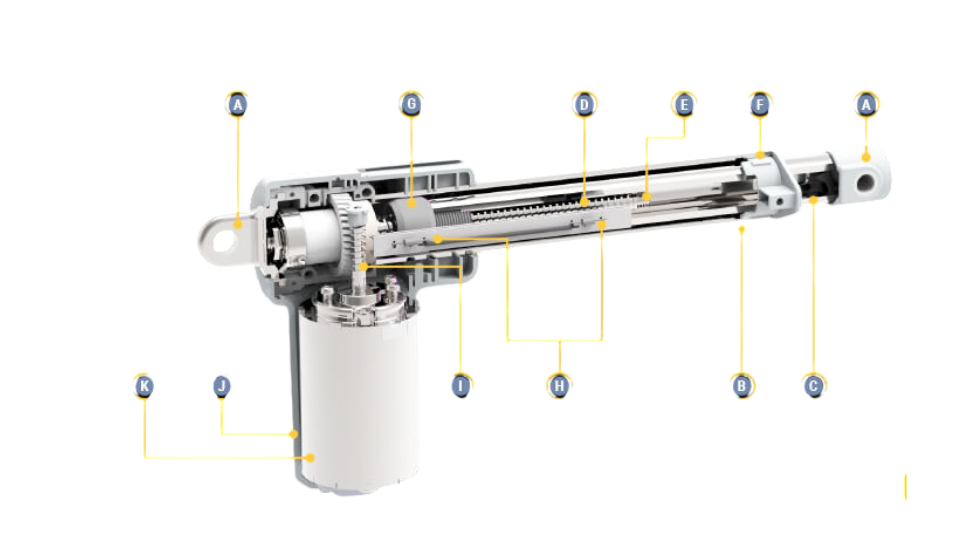
A high-quality electric linear actuator system consists of several important components. Each of them plays a vital role in performance.

1. Electric Motor

To begin with, the motor generates rotational force. Moreover, it is designed for energy efficiency and silent operation.

2. Mechanical Transmission System

In addition, this system transfers motion and increases torque for smooth lifting performance.

3. Outer Housing

Furthermore, the housing protects internal parts from dust, moisture, and mechanical damage.

4. Control Interface

Meanwhile, the control system manages direction, speed, and positioning based on user input.

5. Sensors (Feedback System)

Similarly, sensors provide feedback to ensure accurate movement and positioning.

6. Mounting Brackets

Finally, brackets ensure stable installation and secure fitting within the dental chair structure.


Types of Dental Chair Linear Actuator Used

There are several types of actuators used depending on application needs. Therefore, selection depends on design and load requirements.

1. Inline Linear Actuators

These are compact and efficient. As a result, they are widely used in modern dental chairs.

2. Parallel Linear Actuators

In contrast, these are used where space is limited and compact design is required.

3. High Load Capacity Linear Actuators

Moreover, these are designed for heavy-duty usage. Therefore, they are ideal for high-usage dental clinics.

4. Custom Linear Actuators

Additionally, custom actuators are designed based on OEM requirements such as stroke, load, and speed.


Benefits of Dental Chair Linear Actuator

The use of motorized linear actuator India solutions has significantly improved dental equipment performance. Therefore, clinics are rapidly adopting this technology.

1. Smooth and Silent Operation

First and foremost, the actuator ensures noise-free movement, which improves patient comfort.

2. High Precision Control

Moreover, it allows dentists to position chairs accurately for different treatments.

3. High Load Capacity

In addition, a high load capacity linear actuator ensures stable performance even under continuous use.

4. Improved Patient Comfort

As a result, smooth motion reduces stress and enhances patient experience.

5. Better Ergonomics

Similarly, dentists can work in better posture, which reduces physical strain.

6. Low Maintenance

Furthermore, electric systems require less maintenance compared to hydraulic systems.

7. Energy Efficiency

At the same time, these systems consume less power while maintaining performance.

8. Enhanced Safety

Finally, built-in safety systems ensure controlled and secure operation.


Applications in Dental Chairs

Dental Chair Linear Actuator

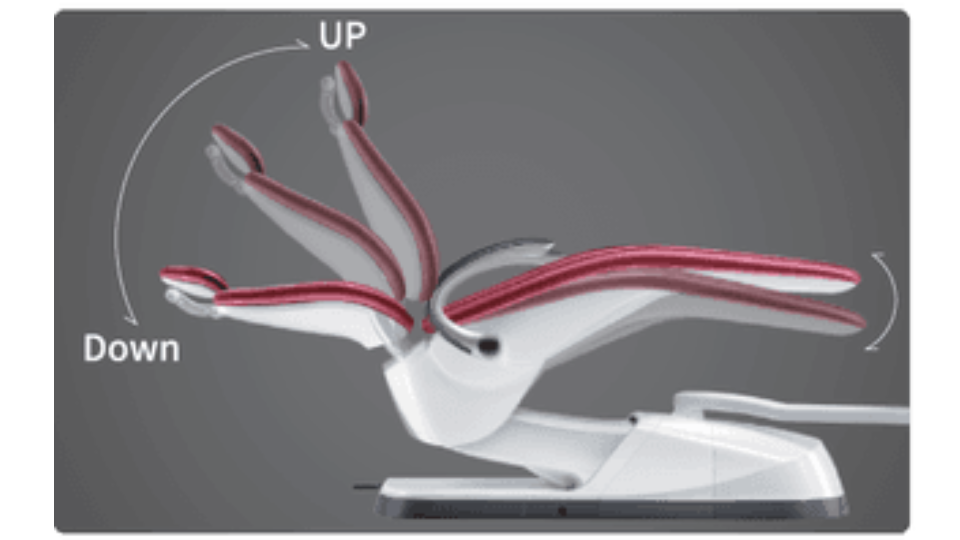
A dental chair linear actuator is widely used across multiple functions. For example:

  • Chair height adjustment
  • Backrest reclining
  • Leg support movement
  • Headrest positioning
  • Full chair tilt control

Therefore, it plays a vital role in ensuring smooth dental procedures and patient comfort.


Why OEMs Prefer Linear Actuators

Modern manufacturers prefer OEM linear actuator for dental chairs because it offers multiple advantages. For instance:

  • Easy integration into chair systems
  • Compact and lightweight design
  • Reliable continuous performance
  • Compatibility with electronic controls
  • Long operational life

Moreover, leading linear actuator manufacturers in India are focusing on advanced designs that meet global standards.


Polar Automation Solutions for Dental Chair Linear Actuator

Polar Automation specializes in advanced motion control systems. In fact, their electric linear actuator systems are engineered for healthcare precision.

Specifically, they offer:

  • Smooth and accurate motion control
  • High durability and reliability
  • Custom engineering for OEM needs
  • Stable performance in medical environments
  • Easy system integration

Therefore, Polar Automation supports manufacturers in building next-generation dental equipment.


Future of Dental Chair Linear Actuator

The future of dental automation is becoming smarter. For example, new systems are evolving with:

  • IoT-based control systems
  • Memory positioning features
  • Ultra-quiet actuator designs
  • Energy-efficient motors
  • Smart digital integration

As a result, custom linear actuators will play a major role in next-generation dental technology.


Conclusion

In conclusion, the dental chair linear actuator is a vital component in modern dental systems. It ensures smooth movement, precise control, and enhanced comfort for both dentists and patients.

Moreover, with growing demand for electric linear actuator systems, high load capacity actuators, and OEM solutions, Polar Automation continues to deliver advanced motion technology in India.

Finally, as dental clinics move toward automation, linear actuators will remain essential for improving efficiency, safety, and patient experience.


Wireless vs Wired Actuator Control Systems: Which to Choose?

In today’s automation-driven world, choosing the right actuator control solution is critical for performance, safety, and efficiency. When evaluating options, businesses often compare Wireless vs Wired Actuator Control Systems to determine which one best fits their application.

While both systems serve the same fundamental purpose—controlling linear motion—they are designed for very different environments. Therefore, understanding their differences, advantages, and ideal use cases is essential before making a decision.

At Polar Automation, we specialize in both technologies. However, wireless actuator systems are typically used for general and industrial applications, whereas wired actuator control systems are preferred for healthcare and medical environments.


Understanding Actuator Control Systems

A linear actuator controller is responsible for managing the movement of actuators by controlling direction, speed, and positioning. These systems can operate using either wired connections or wireless communication.

  • A wired actuator control system uses physical cables, handsets, or control panels
  • A wireless actuator control system uses remote communication such as RF or Bluetooth

Both systems operate on reliable power sources like a 24V linear actuator control system, ensuring stable and efficient performance.


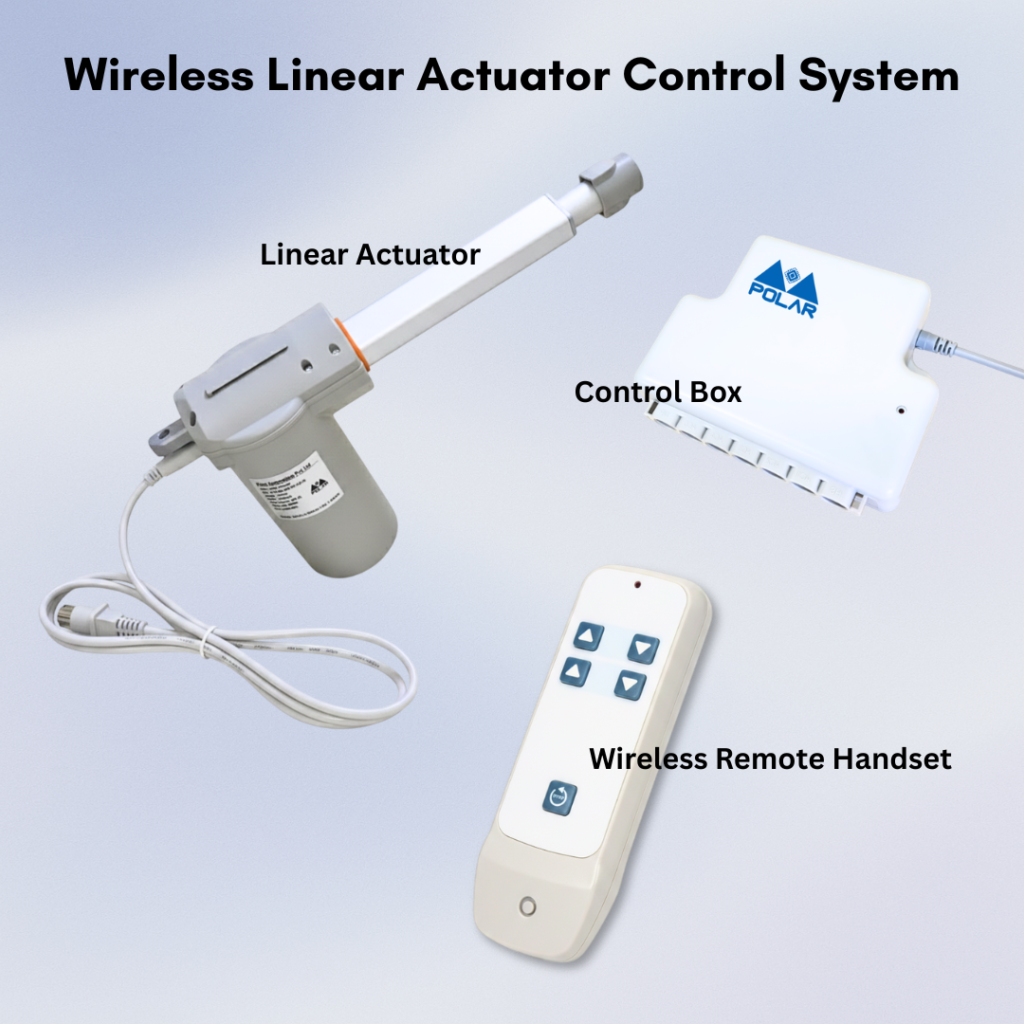
What is a Wireless Actuator Control System?

Wireless vs Wired Actuator Control Systems

A wireless actuator control system eliminates the need for physical wiring between the controller and the user interface. Instead, it uses remote handsets or communication modules for seamless operation.

👉 Learn more:
https://polar-automation.com/wireless-linear-actuator-control-system-in-india/

Key Features

  • Wireless remote control with a range of 15–20 meters
  • Easy installation with minimal wiring
  • Compact and flexible design
  • Supports independent actuator control
  • Built-in safety and overload protection

Additionally, systems such as a wireless actuator remote control system or bluetooth controlled linear actuator provide enhanced convenience in modern automation setups.


Applications of Wireless Systems

Wireless solutions are designed for general and industrial applications, where flexibility and ease of installation are important.

Common applications include:

  • Industrial automation systems
  • Adjustable workstations
  • Smart furniture and home automation
  • Agricultural equipment
  • Solar tracking systems
  • Custom machinery and OEM projects

Therefore, if your project requires mobility, scalability, or minimal wiring, a wireless solution is often the better choice.


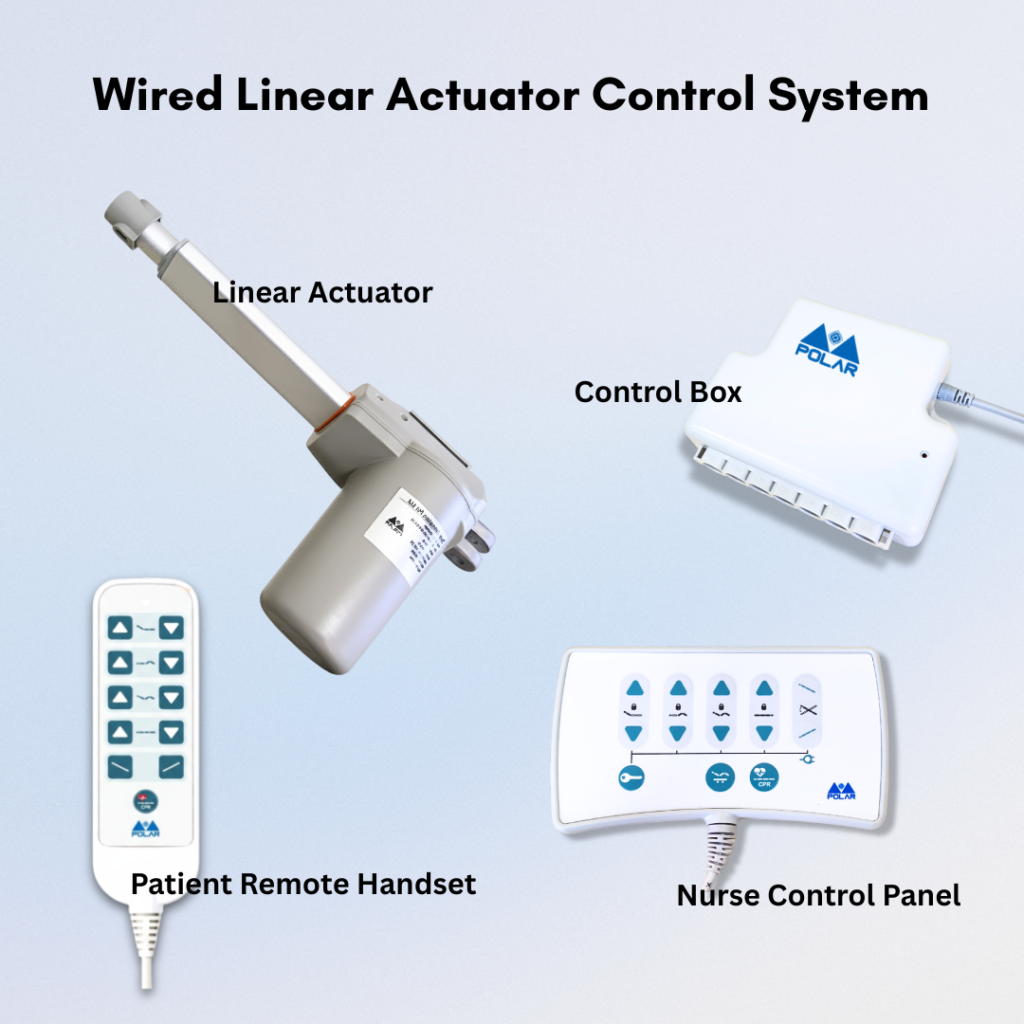
What is a Wired Actuator Control System?

Wireless vs Wired Actuator Control Systems

A wired actuator control system uses physical connections such as cables, handsets, and control boxes to operate actuators. These systems are known for their reliability and precise control.

👉 Learn more:
https://polar-automation.com/solutions/linear-actuator-control-system/

Key Features

  • Stable and interference-free operation
  • Supports multiple actuators (up to 4)
  • Wired handsets and nurse control panels
  • High precision and synchronization
  • Strong safety and feedback mechanisms

In addition, a linear actuator controller kit in wired systems is often designed for long-term durability and continuous operation.


Applications of Wired Systems

Unlike wireless systems, wired actuator solutions are primarily used in healthcare and medical applications, where reliability and safety are critical.

Typical applications include:

  • Hospital beds
  • ICU and home care beds
  • Surgical and examination tables
  • Patient lifts
  • Rehabilitation equipment
  • Dental chairs

Since these environments demand uninterrupted performance, wired actuator control system manufacturers focus heavily on safety, precision, and compliance.


Wireless vs Wired Actuator Control Systems: Key Differences

Understanding the difference between the two systems helps you choose the right solution for your application.

1. Installation

  • Wireless: Quick and easy installation with minimal wiring
  • Wired: Requires structured wiring and setup

Therefore, wireless systems reduce installation time significantly.


2. Flexibility

  • Wireless: Highly flexible and easy to relocate
  • Wired: Fixed installation

As a result, wireless systems are better for dynamic environments.


3. Reliability

  • Wireless: Reliable, but may face signal interference in rare cases
  • Wired: Extremely stable and interference-free

Hence, wired systems are preferred in critical applications like healthcare.


4. Control & Precision

  • Wireless: Good control with remote convenience
  • Wired: High precision and synchronization

Thus, for precise positioning, wired systems are often the better choice.


5. Application Focus

  • Wireless: General and industrial applications
  • Wired: Healthcare and medical equipment

This is one of the most important deciding factors.


6. Maintenance

  • Wireless: Lower maintenance due to fewer cables
  • Wired: Requires cable management but offers long-term stability

7. Cost Consideration

The wireless linear actuator system price may vary depending on features such as remote range, number of actuators, and customization.

However:

  • Wireless systems reduce installation costs
  • Wired systems offer long-term reliability value

When Should You Choose Wireless?

You should consider a wireless actuator control system if:

  • Your application requires flexibility
  • You want quick installation
  • Wiring is difficult or expensive
  • Mobility and remote operation are important

For example, automation projects, smart furniture, and industrial setups benefit greatly from wireless systems.


When Should You Choose Wired?

A wired actuator control system is ideal if:

  • Safety and reliability are critical
  • The system is used in healthcare environments
  • You need precise and synchronized movement
  • Continuous operation is required

Therefore, hospitals and medical equipment manufacturers rely heavily on wired solutions.


How Polar Automation & Linepro Controls Support Your Needs

At Polar Automation, we design advanced wireless actuator control systems tailored for modern automation and industrial applications. Our solutions focus on ease of use, flexibility, and smart control.

We Offer:

  • Customized solutions for OEMs
  • High-performance actuator systems
  • Reliable 24V linear actuator control system designs
  • Scalable and application-specific configurations

Final Thoughts

Choosing between Wireless vs Wired Actuator Control Systems is not about which one is better—it’s about selecting the right solution for your specific application.

  • If your focus is flexibility, ease of installation, and modern automation, go with wireless
  • If your priority is safety, precision, and reliability in healthcare, choose wired

Ultimately, understanding your application requirements will guide you toward the best decision.

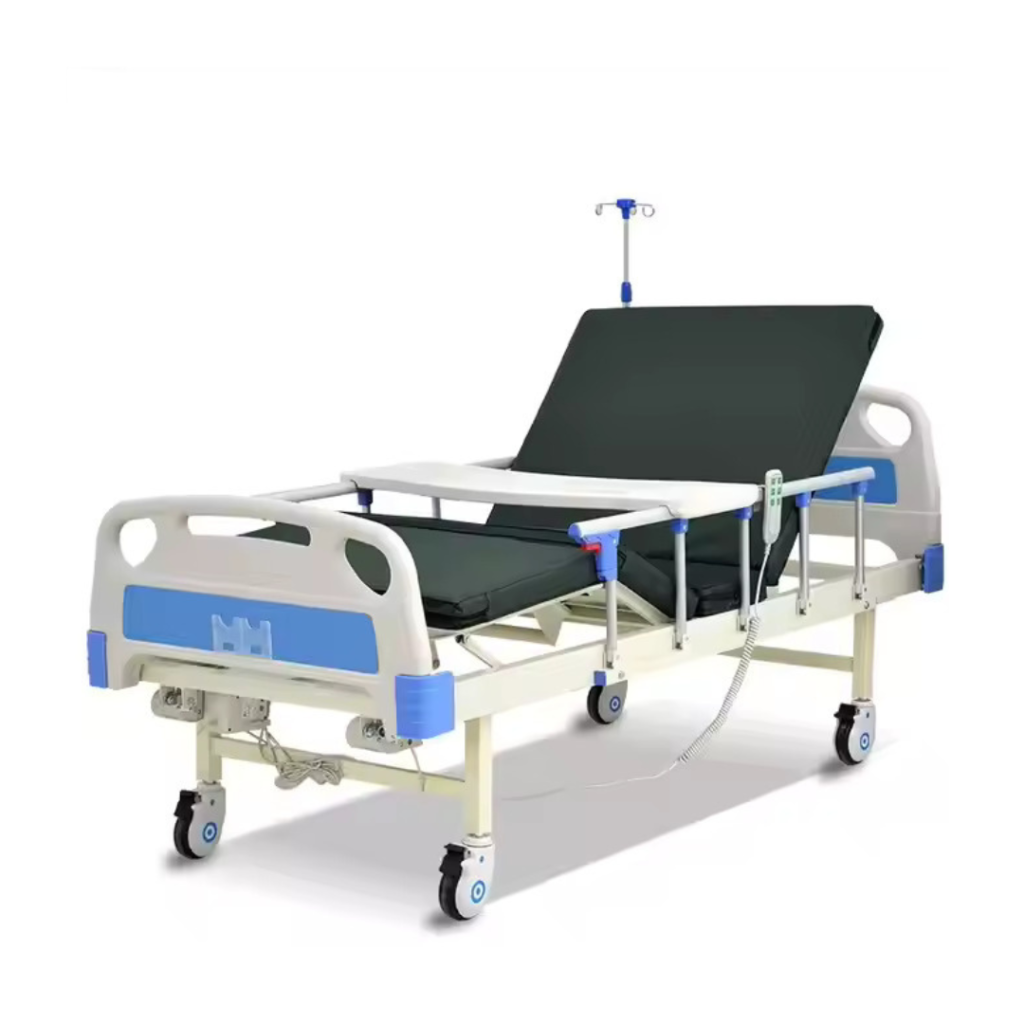
Linear Actuator for Adjustable Beds to Enhance Patient Care

Modern hospitals are continuously evolving to improve patient care, comfort, and operational efficiency. As part of this transformation, smart automation systems have become essential. One of the most impactful innovations in this space is the Linear Actuator Control System.

At Polar Automation, we specialize in advanced automation systems for adjustable beds. Our Linear Actuator is engineered to offer seamless movement, increased durability, and total customization—tailored specifically to meet the needs of hospitals and healthcare providers.

What Is a Linear Actuator Control System?

A Linear Actuator is an electromechanical solution that transforms electrical energy into linear motion. These actuators enable the movement of bed segments such as the headrest, leg rest, or even full bed height. As a result, adjustments become easy, precise, and reliable

Components of the Linear Actuator Control System

Advanced Linear Actuator

Smart Linear Actuator

Smooth, silent, and powerful—these actuators control the movements like head lift, leg rest, and height adjustment. Notably, they are designed for heavy-duty use and function flawlessly in ICU and patient care beds.

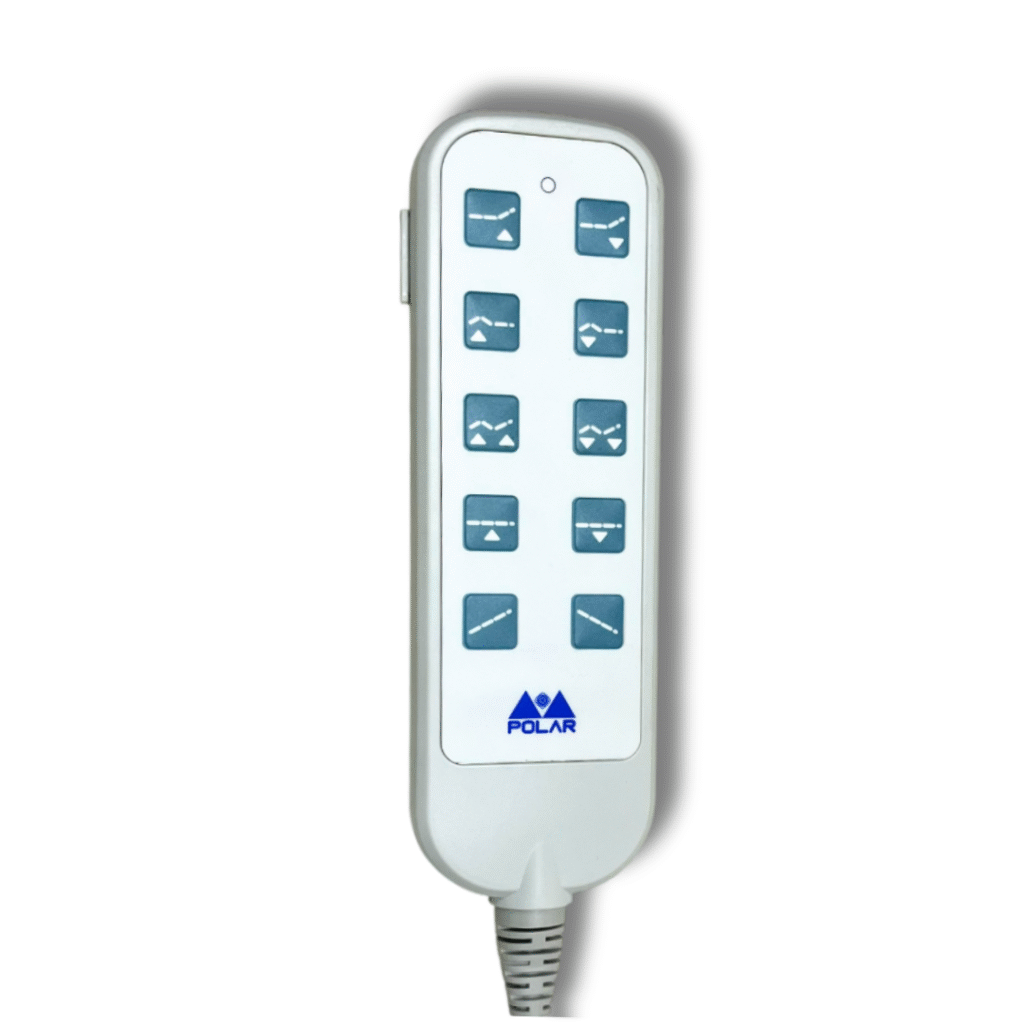
Patient Handset

Patient Handset

Allows patients to control their positions easily. With soft-touch keys and a water-resistant body, it significantly boosts independence and comfort.

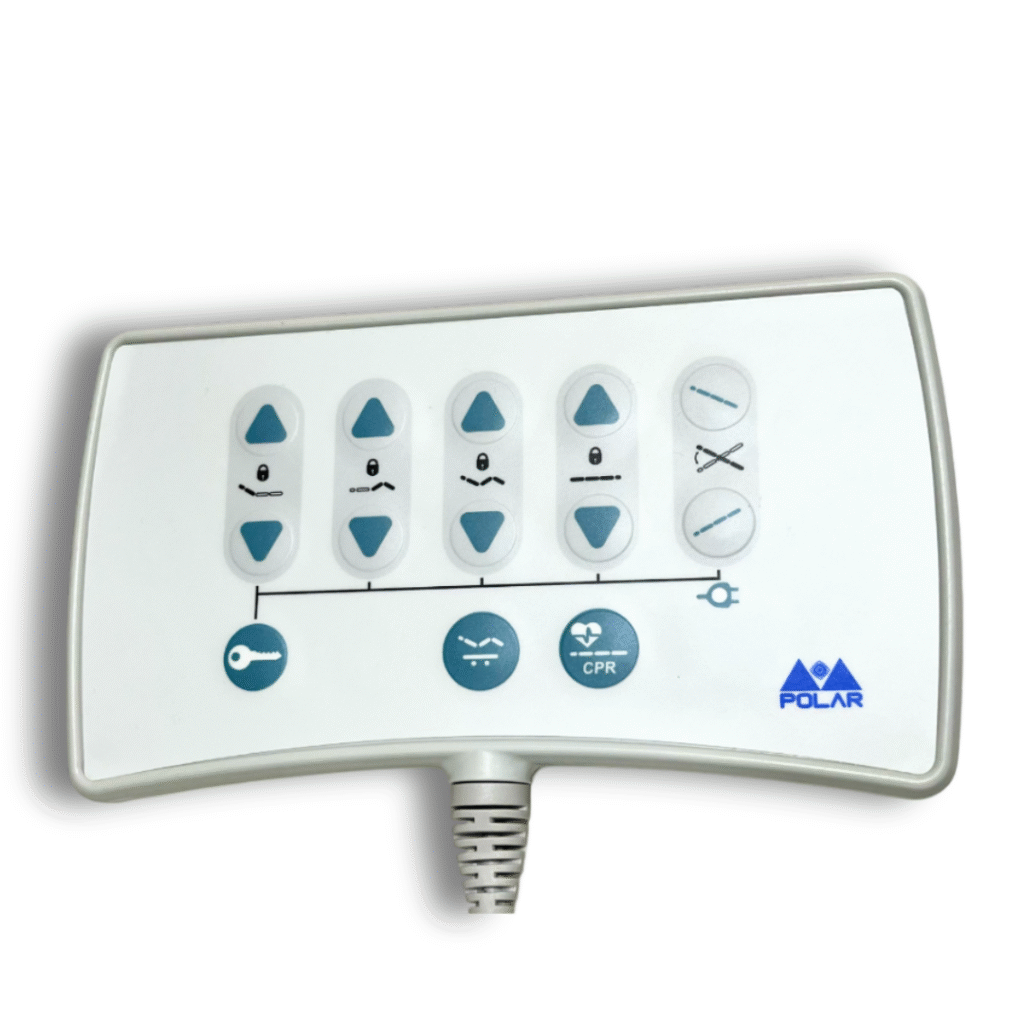
Nurse Keypad

Nurse Keypad

Offers quick emergency functions, lock-out features, and complete control for caregivers. Therefore, it is ideal for hospitals with high safety standards.

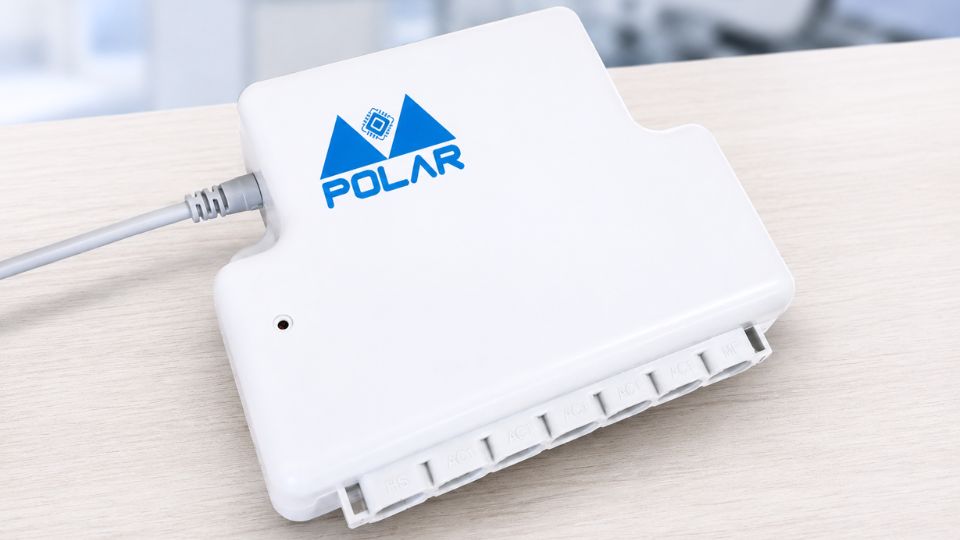
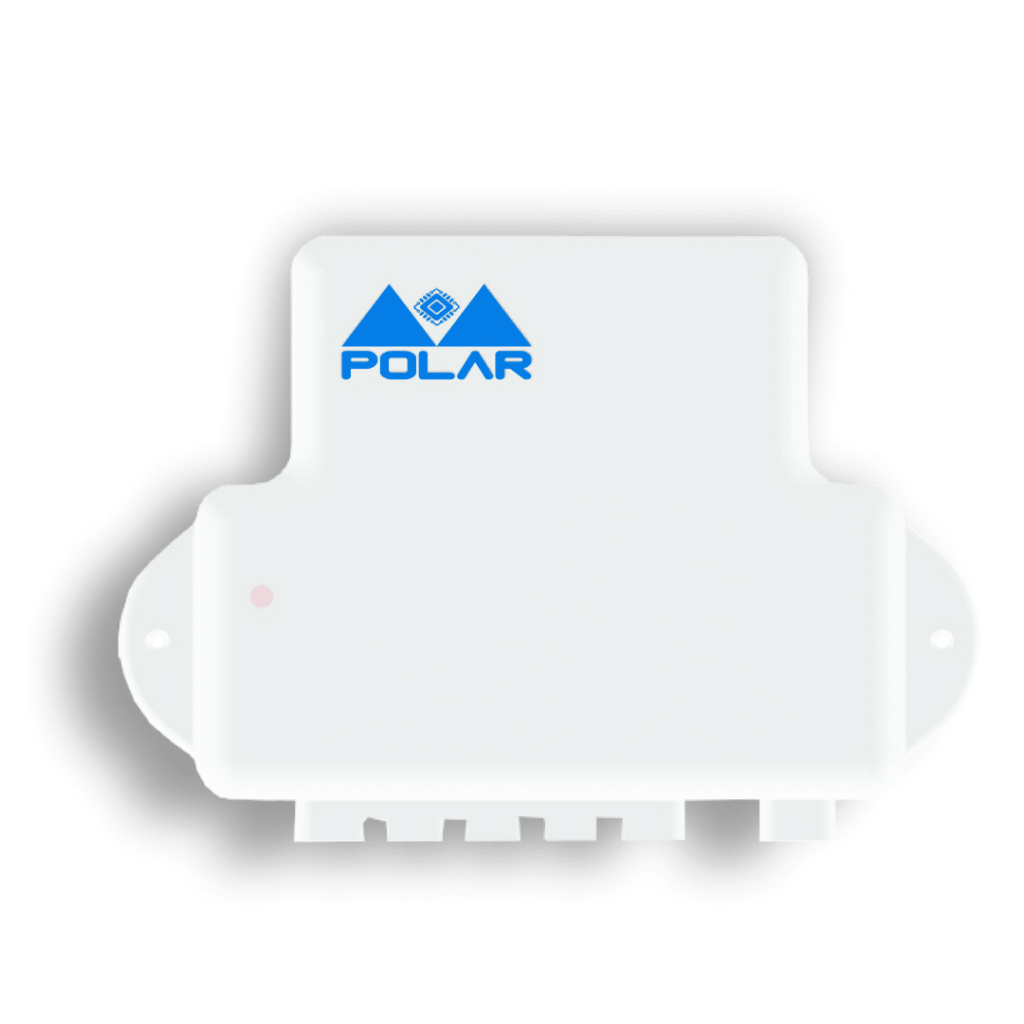
Control Box

Customizable Control Box

The brain behind the system. In addition to supporting multiple actuators, it includes safety features and is fully customizable—including branding with your company logo.

Together, this integrated solution delivers smart automation capabilities and unmatched convenience for both patients and healthcare staff.


Why Hospitals Prefer Polar Automation’s Actuator Systems

Polar Automation stands out in the market. Here’s why:

Custom Design & Manufacturing
We are designers and manufacturers of customized controller systems. Consequently, every product matches the exact functionality and design needs of modern hospital furniture.

Smart Linear Actuator Technology
Our smart linear actuators are built for low noise, high load capacity, and an excellent life span. Thus, they are ideal for ICU beds, surgical beds, and recovery setups.

Heavy Duty Lifting Column
For beds requiring vertical lift capability, our heavy-duty lifting column enables smooth elevation without vibrations. This makes it perfect for operation theaters and emergency rooms.

Branding Opportunities
We offer branding on actuators, control boxes, and remotes. As a result, manufacturers can enhance their product’s market identity.

Complete In-House Service
From design to dispatch, every step is managed under one roof. Hence, we ensure quality control and on-time delivery across India.


Benefits of Linear Actuator Control System

  1. Improved Patient Experience
    Patients gain control over their position with ergonomic handsets. Consequently, this enhances comfort and promotes faster healing.
  2. Operational Efficiency for Staff
    Nurse keypads reduce manual effort. Moreover, they increase safety and improve emergency response times.
  3. Customization for OEMs
    Manufacturers can develop high-end, fully automated bed systems. Therefore, they stand out in competitive tenders.
  4. Safety and Hygiene
    Our components are water-resistant and easy to clean. In addition, they are designed to meet hospital hygiene standards.

Final Thoughts

In today’s patient-centered care environment, upgrading hospital beds with Polar Automation’s Linear Actuator isn’t just an option—it’s a competitive necessity. Above all, it improves comfort, safety, and efficiency for both patients and caregivers.

Let your beds speak the language of comfort, technology, and control.

👉 Contact Polar Automation today to customize solution.