Wireless remote actuator systems are increasingly used in material handling automation environments where repeatable motion control and positioning consistency are critical throughout continuous operation.
Modern material handling automation rarely depends on a single movement cycle. Conveyor transfers, indexing stations, lifting mechanisms, pallet handling equipment, and positioning assemblies continuously repeat the same motion sequence throughout daily operation.
As these cycles repeat, positioning consistency becomes increasingly important. Small positioning variations can directly affect transfer timing, synchronization accuracy, equipment coordination, and overall automation stability. Therefore, many industrial motion control systems now depend heavily on repeatable motion control rather than simple actuator movement alone.
Because of this, wireless actuator remote control technology is increasingly integrated into industrial positioning systems requiring synchronized actuator response throughout continuous operation.
Why Repeatable Motion Control Matters
In material handling automation, actuator systems repeatedly execute the same extension, retraction, lifting, and positioning sequence throughout production cycles. Transfer gates open and close continuously, positioning stages coordinate movement repeatedly, and lifting assemblies maintain synchronized motion throughout continuous handling operation.
As a result, repeatable motion control becomes critical for maintaining stable automation performance.
For example, a transfer actuator that positions products between conveyor stages may repeat the same movement hundreds or thousands of times during a production shift. Even small positioning variations can gradually affect transfer alignment, cycle timing, and downstream equipment coordination.
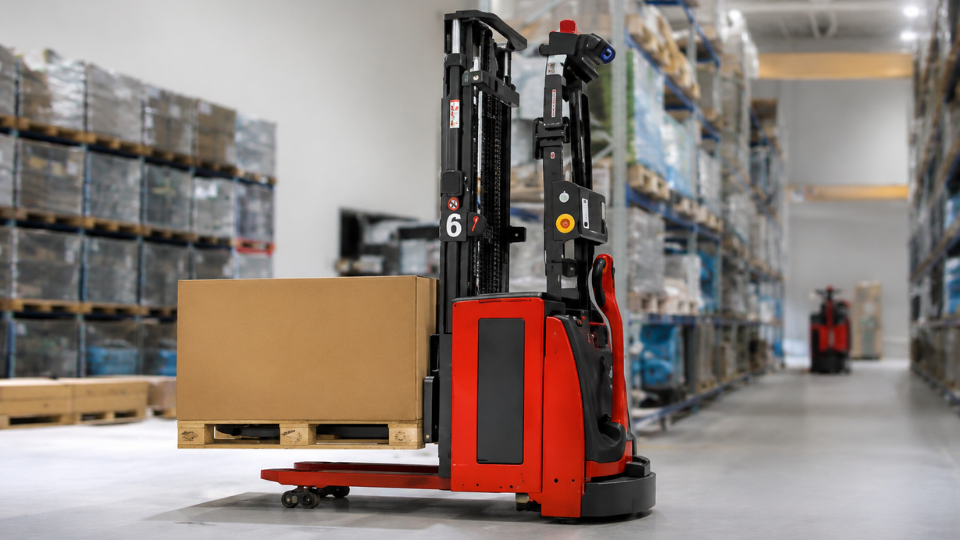
Therefore, industrial positioning systems are designed around predictable actuator response rather than motion generation alone.
The challenge is not simply generating movement. Instead, the challenge is reproducing the same positioning response continuously throughout repeated automation cycles.
Because of this, automation positioning control becomes increasingly important throughout modern industrial automation environments.
The Role of Wireless Remote Actuator Systems
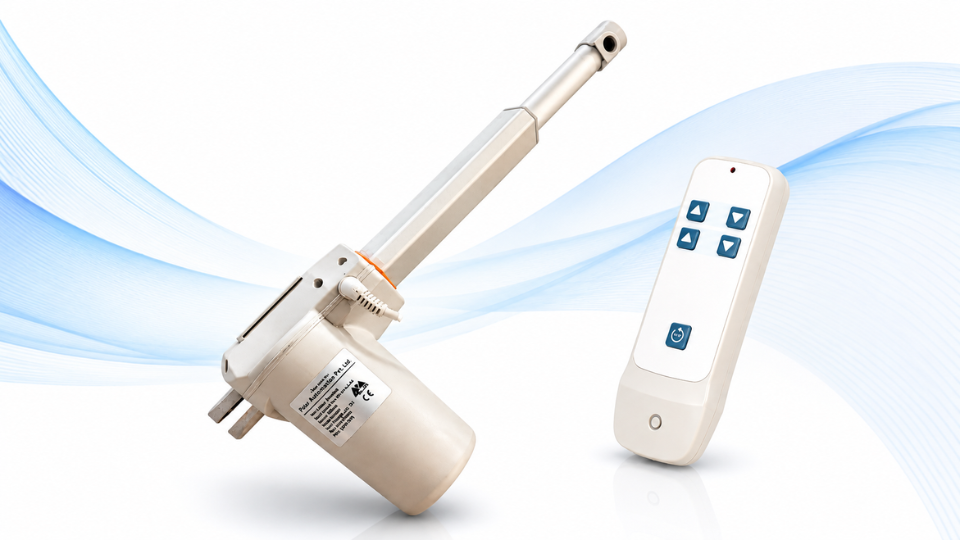
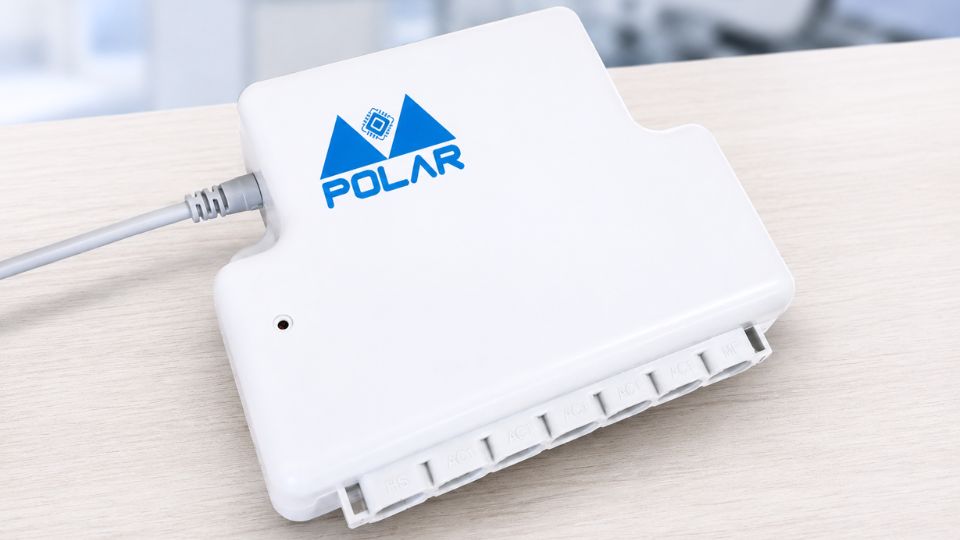
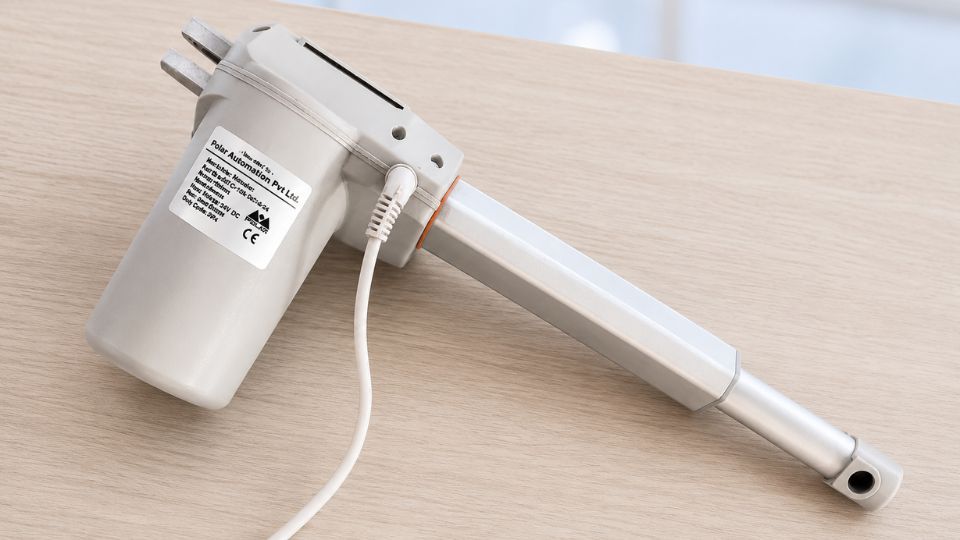
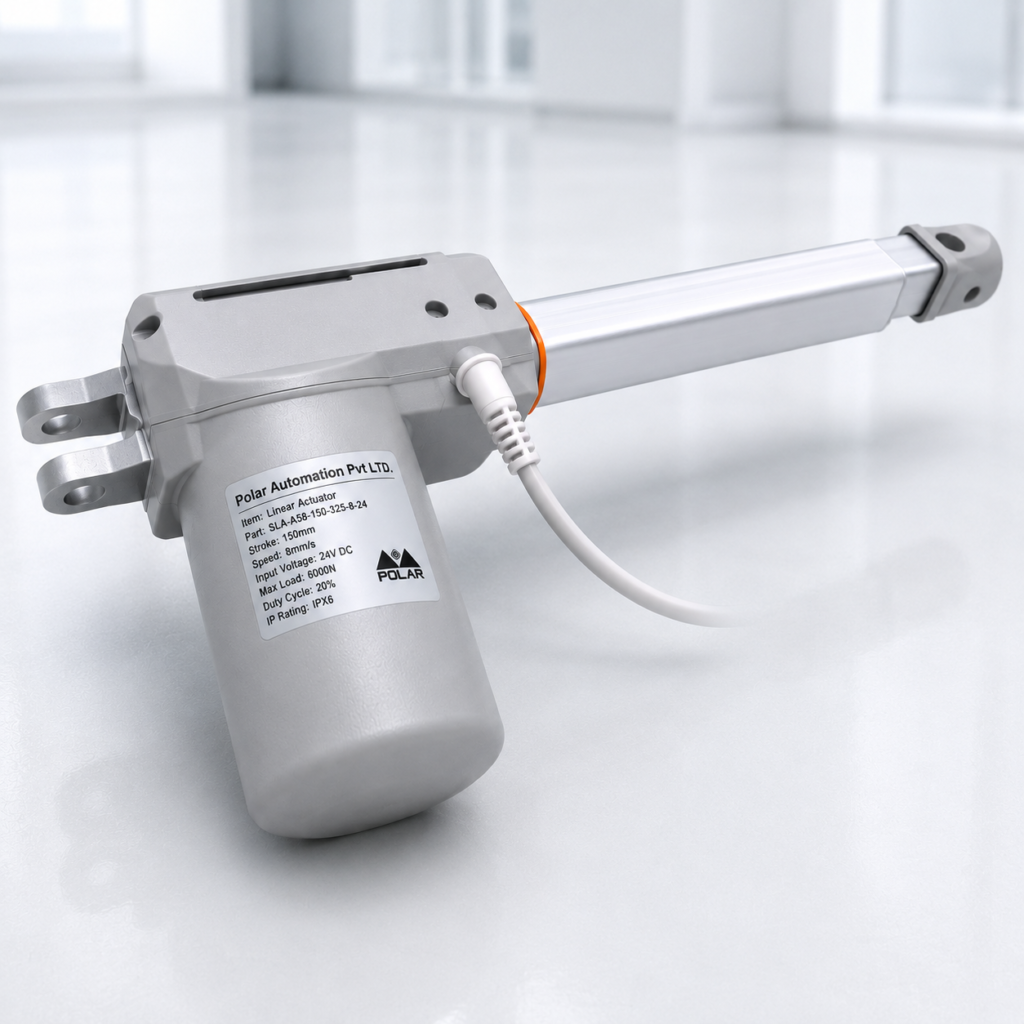
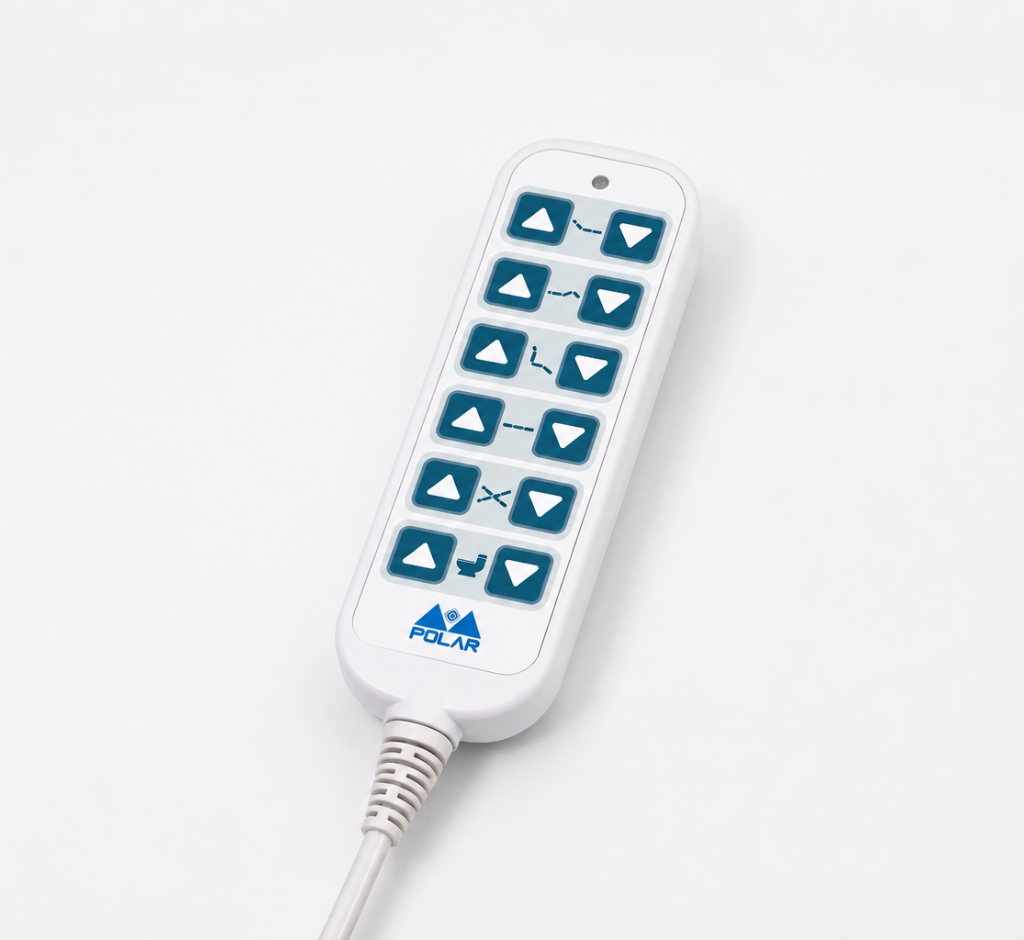
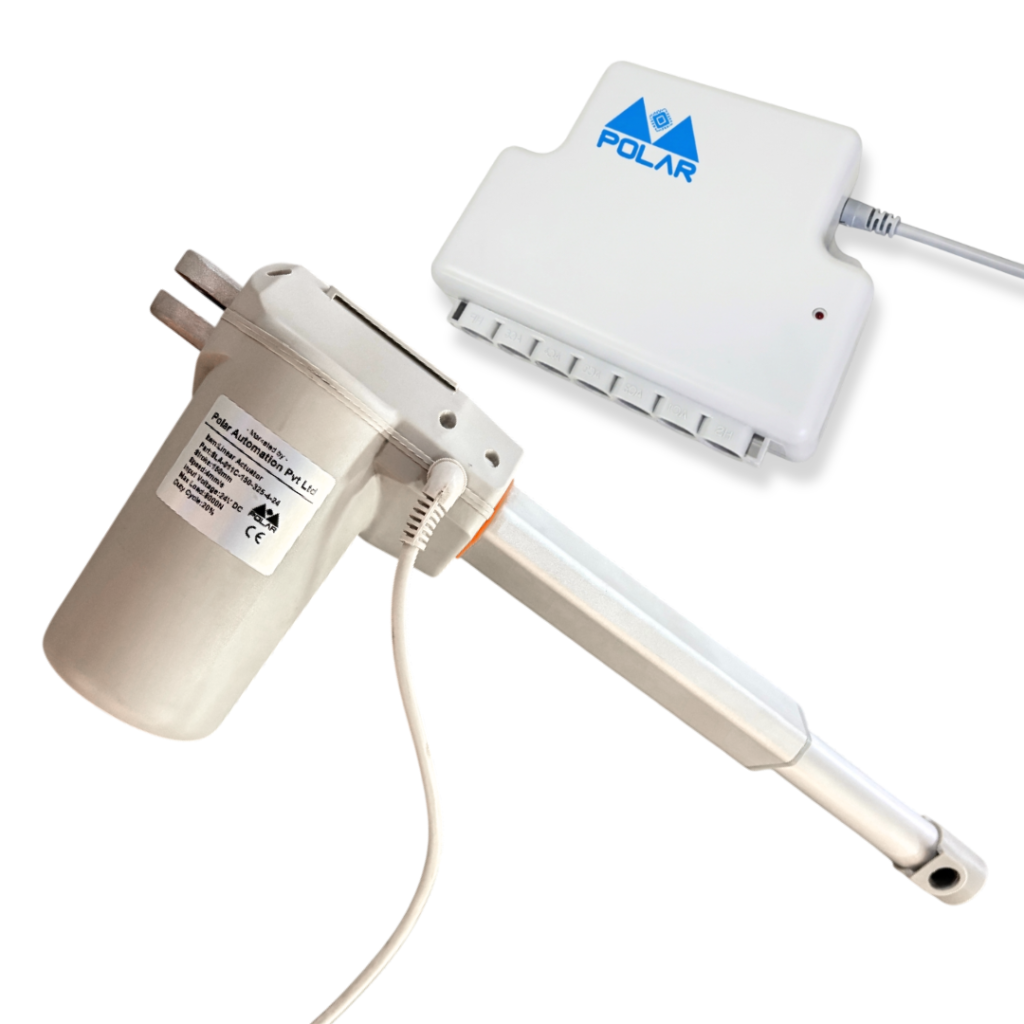
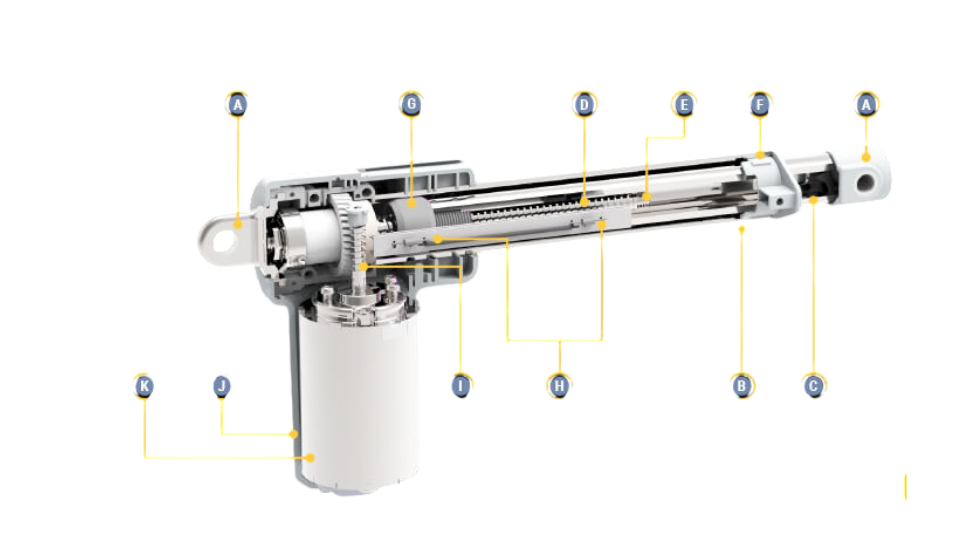
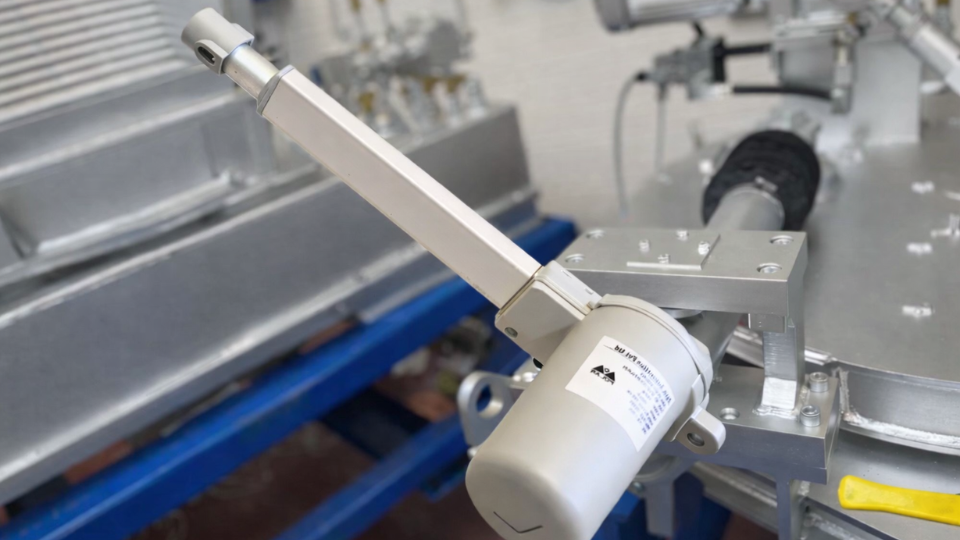
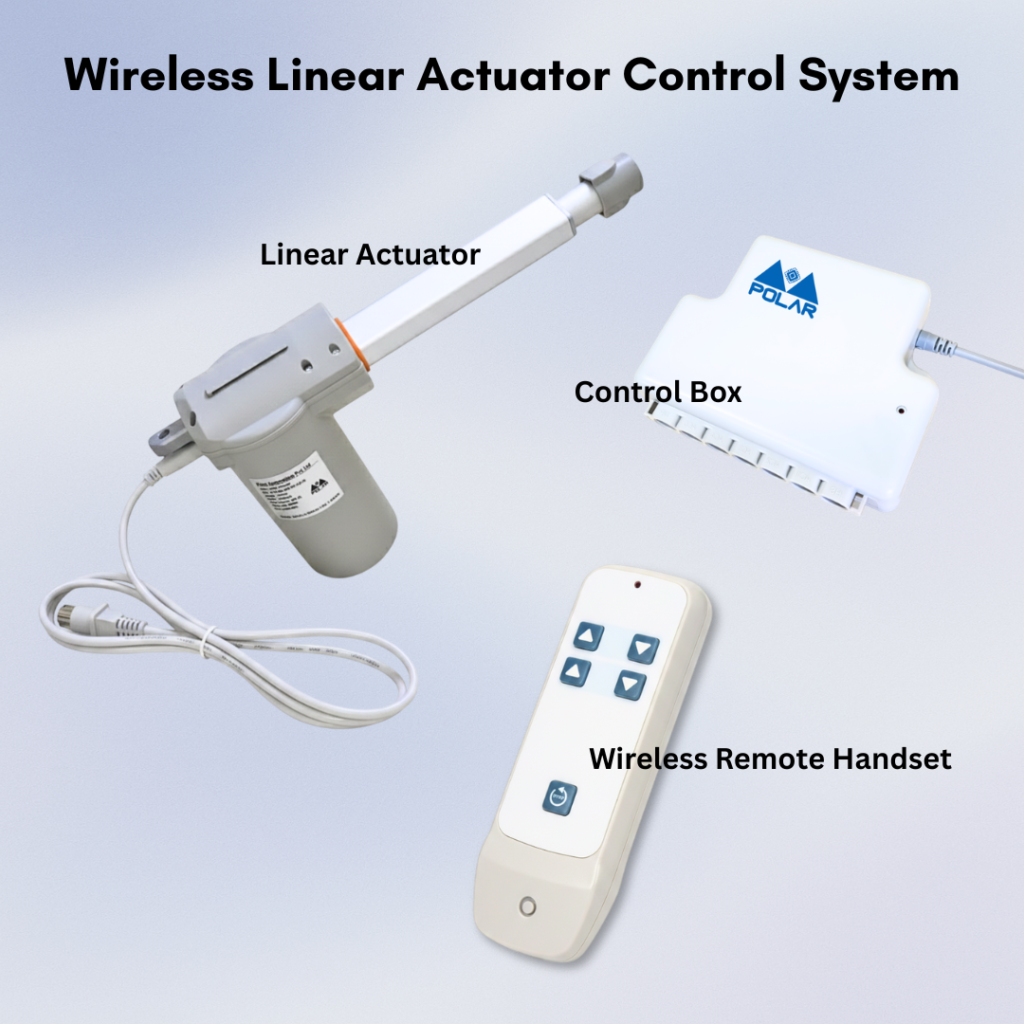
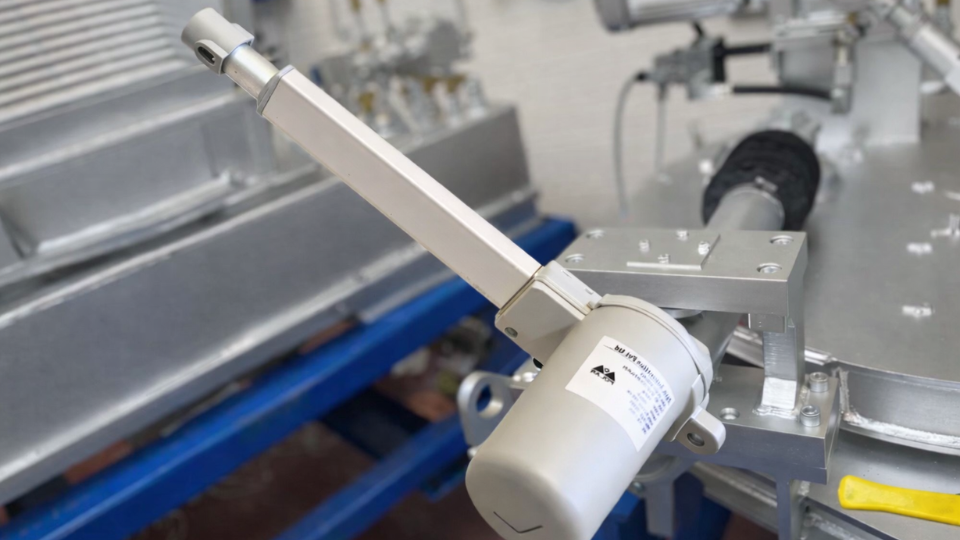
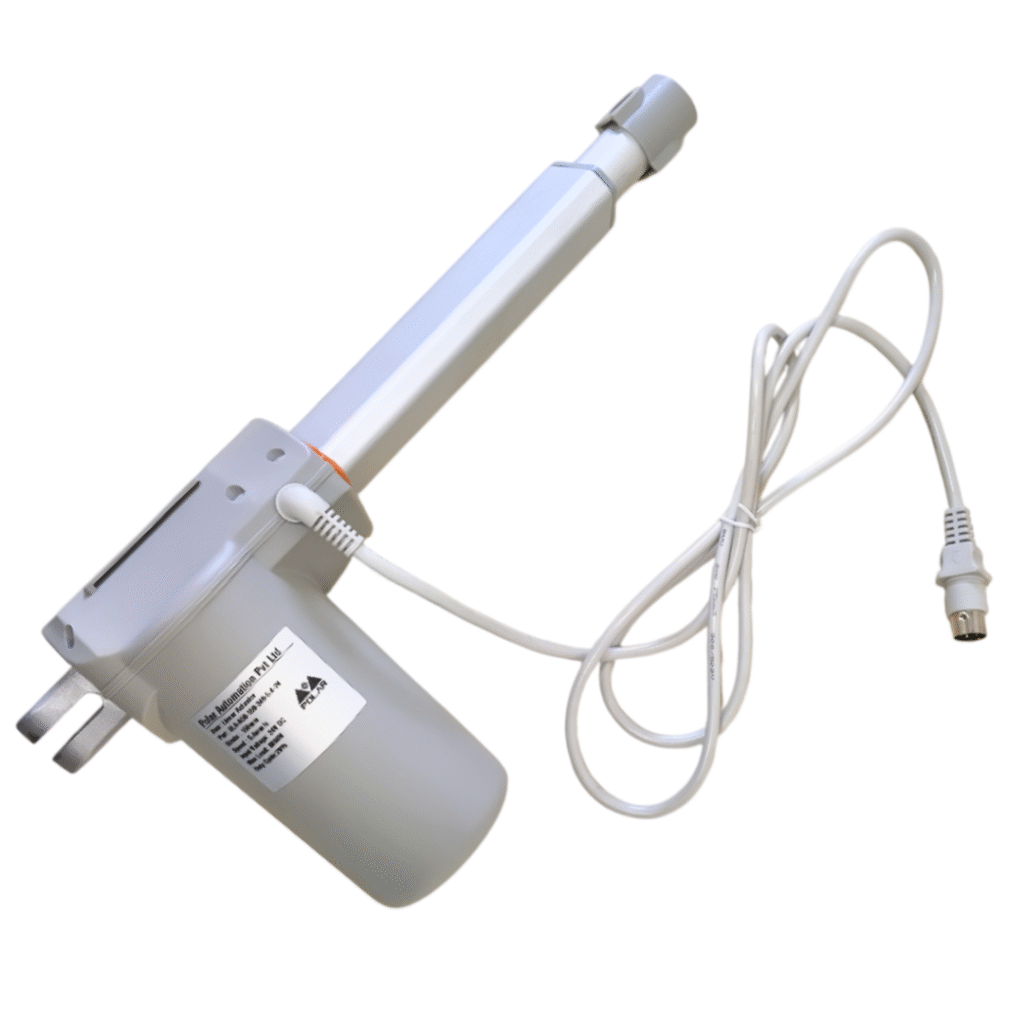
A wireless remote actuator combines DC linear actuation with RF-based wireless communication to support controlled positioning across distributed automation structures.
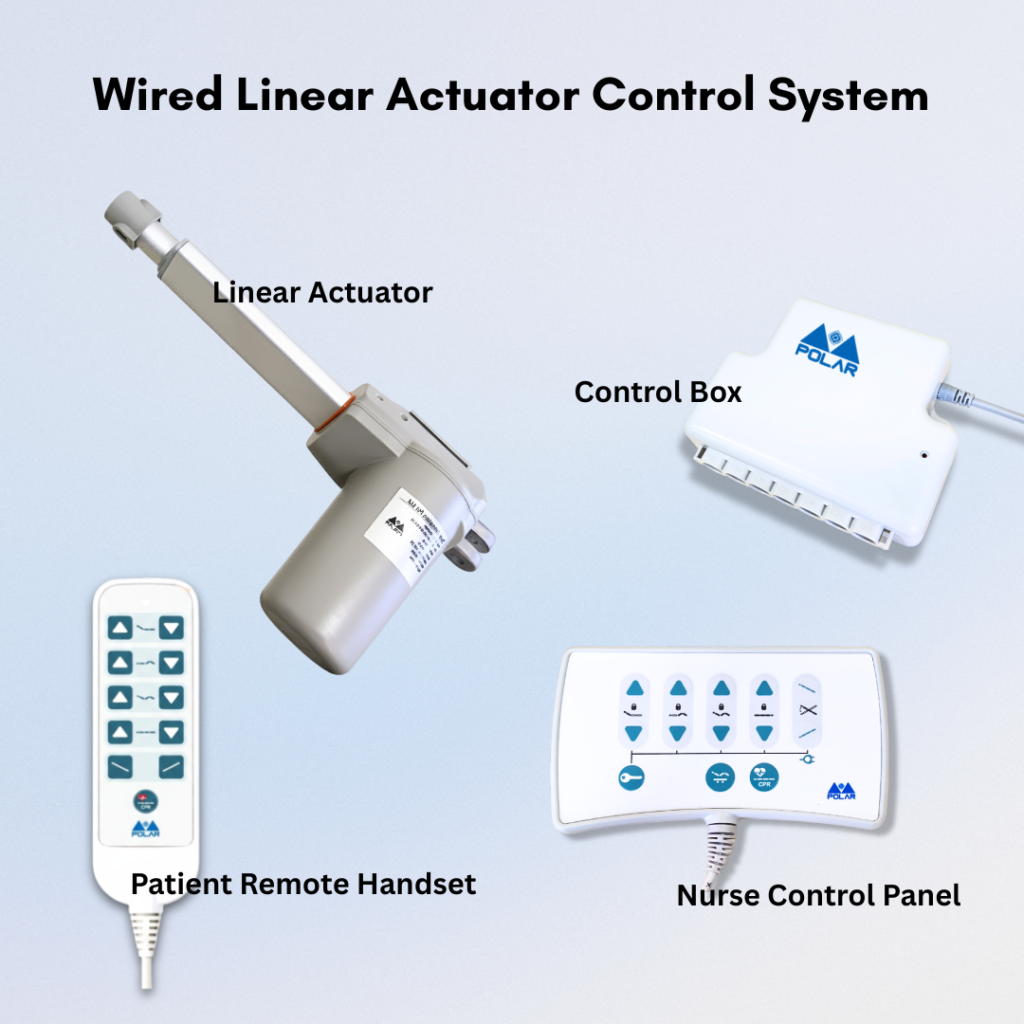
Unlike traditional wired systems, wireless actuator control systems help reduce external wiring complexity throughout handling environments. Additionally, wireless actuator remote control architecture supports more flexible actuator integration within compact automation structures where cable routing may become restrictive.
At the same time, coordinated actuator response remains critical throughout continuous operation.
Because material handling automation environments often involve multiple synchronized movement stages operating simultaneously, actuator positioning consistency directly influences transfer coordination and system timing stability.
As a result, wireless actuator remote control systems are increasingly used within industrial positioning systems requiring repeatable actuator response throughout continuous automation operation.
Wireless Linear Actuator Integration in Material Handling Automation
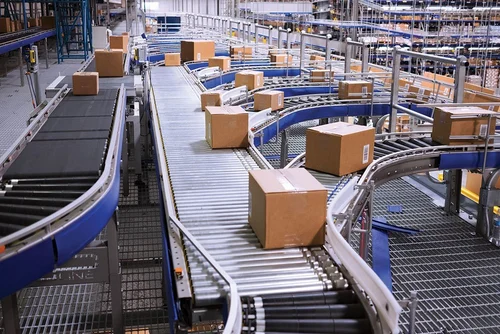
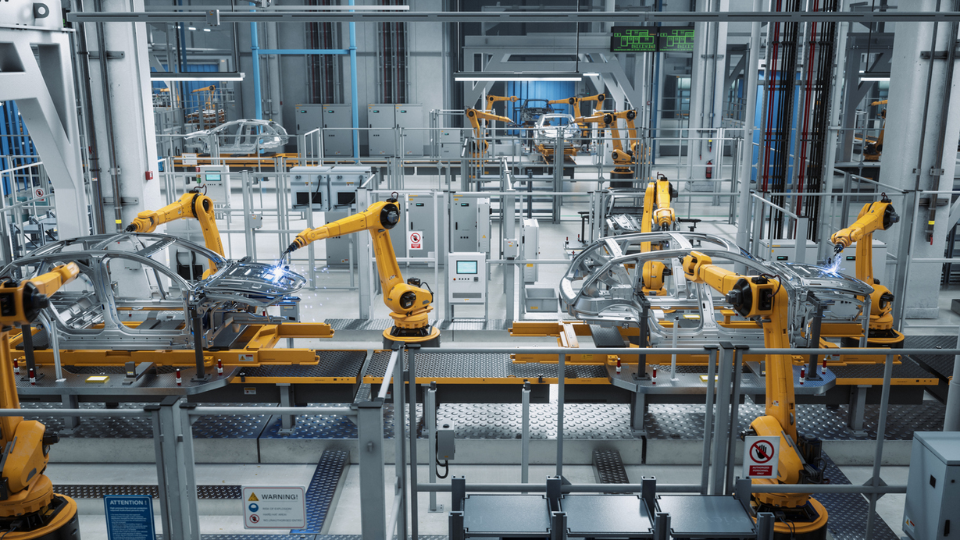
Material handling automation includes far more than conveyor movement alone. Modern systems may include transfer gates, indexing stations, pallet handling equipment, lifting assemblies, positioning stages, automated diverters, and compact handling cells operating simultaneously within the same automation structure.
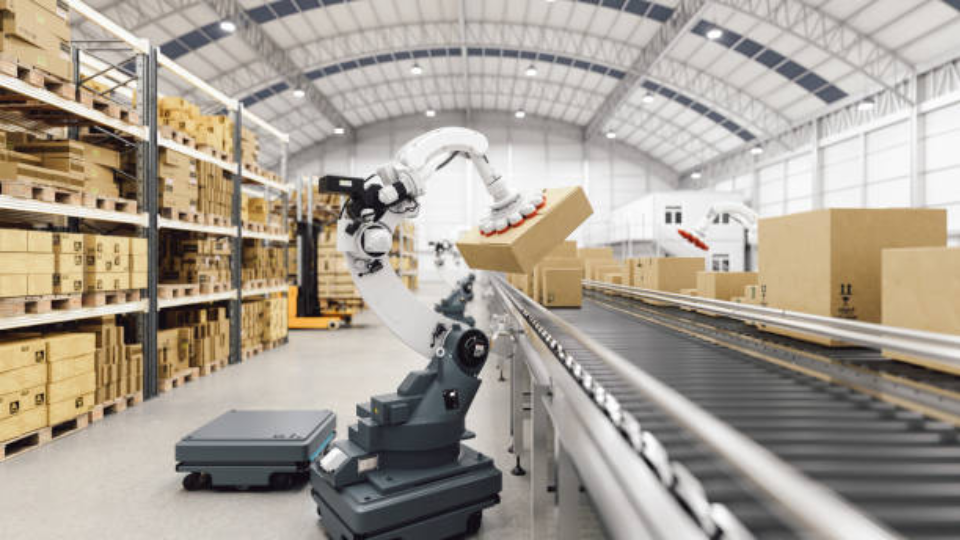
Within these environments, wireless linear actuator systems support:
- Controlled linear positioning
- Wireless motion management
- Repeatable motion control
- Automation positioning control
- Synchronized movement coordination
- Continuous automation operation
In many automation structures, multiple movement systems operate continuously throughout long production cycles. Therefore, wireless actuator control systems help support coordinated motion response across distributed automation environments.
Additionally, RF controlled linear actuator systems support installation flexibility while reducing excessive external control wiring throughout industrial handling structures.
Because of this, wireless linear actuator integration continues expanding throughout material handling automation systems requiring controlled movement coordination and positioning stability.
Why Positioning Consistency Becomes Critical
Positioning consistency becomes increasingly important as automation cycles repeat continuously throughout daily operation.
Initially, motion systems may appear stable. However, over extended operational cycles, even small positioning inconsistencies can gradually affect transfer timing and synchronization accuracy.
For example, if an actuator repeatedly positions products slightly outside the expected transfer alignment, downstream automation equipment may begin experiencing movement timing variations or transfer inconsistencies.
Consequently, repeatable motion control directly influences:
- Transfer synchronization
- Positioning accuracy
- Automation timing stability
- Coordinated movement response
- Continuous operational consistency
Industrial positioning systems therefore focus heavily on stable actuator behavior throughout continuous automation operation.
Because of this, wireless remote actuator systems function as positioning interfaces designed around predictable motion response and coordinated handling performance.
How Wireless Actuator Control Systems Support Distributed Automation
Modern automation environments increasingly use distributed handling architectures involving multiple synchronized movement stages operating simultaneously across larger automation structures.
As these systems expand, installation complexity also increases. Consequently, external wiring management may become difficult throughout large automation environments.
Wireless actuator control systems help simplify installation architecture by reducing excessive control wiring while maintaining reliable actuator coordination throughout the system.
At the same time, wireless actuator remote control technology supports more flexible actuator deployment across compact automation structures where conventional cable routing may restrict movement integration.
Because distributed automation systems continuously repeat coordinated movement cycles, wireless motion management becomes increasingly important for maintaining synchronized actuator response.
Therefore, wireless linear actuator systems are increasingly integrated into industrial motion control systems requiring repeatable positioning performance throughout continuous operation.
Motion Synchronization and Continuous Automation Operation
Continuous automation operation depends heavily on synchronized movement coordination between connected automation structures.
If actuator positioning response becomes inconsistent during repeated motion cycles, transfer timing and equipment synchronization may gradually become unstable.
As a result, repeatable motion control directly affects:
- Handling coordination
- Equipment synchronization
- Automation timing consistency
- Positioning stability
- Continuous movement response
Because of this, wireless remote actuator systems combine linear motion control with RF-based wireless management to support stable positioning coordination throughout continuous automation operation.
Wireless actuator remote control technology therefore supports industrial automation environments requiring predictable actuator behavior throughout repeated handling cycles.
Linear Motion Control in Industrial Automation
Linear motion control plays a major role throughout modern automation systems. Transfer systems, lifting assemblies, diverters, positioning stages, and indexing equipment all depend on controlled actuator response during continuous operation.
However, motion alone is not sufficient. Instead, industrial automation systems require repeatable positioning behavior capable of maintaining synchronization stability throughout extended operational cycles.
Therefore, linear motion control systems increasingly focus on:
- Controlled actuator positioning
- Repeatable automation response
- Stable synchronization performance
- Coordinated handling operation
- Continuous positioning consistency
Because of this, wireless remote actuator systems continue supporting modern material handling automation environments where repeatable positioning response remains critical for operational stability.
Conclusion
Material handling automation depends heavily on repeatable motion cycles throughout continuous operation. Although actuator movement remains important, positioning consistency ultimately determines transfer coordination, synchronization stability, and overall automation reliability.
Wireless remote actuator systems combine DC linear actuation with RF-based wireless control to support controlled positioning across distributed automation environments while reducing external control wiring complexity.
As industrial automation systems continue evolving, repeatable motion control and synchronized positioning response will remain essential throughout modern material handling automation environments.