7 Function Hospital Bed Actuator System for Advanced Medical Beds

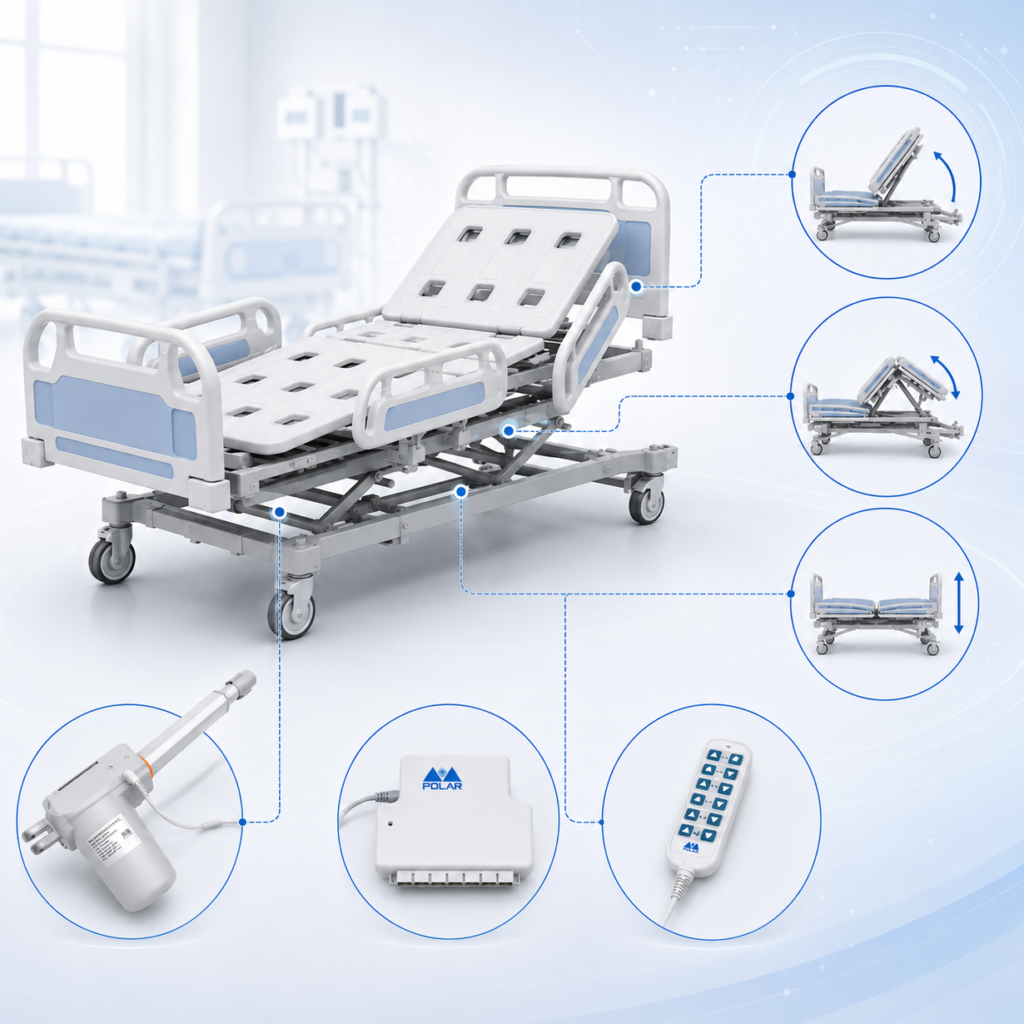
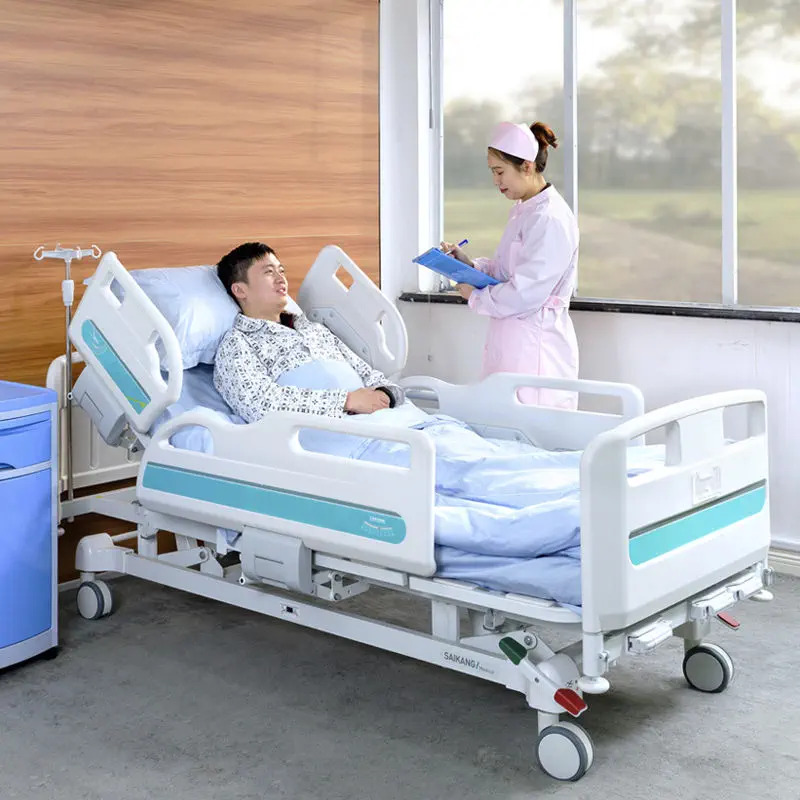
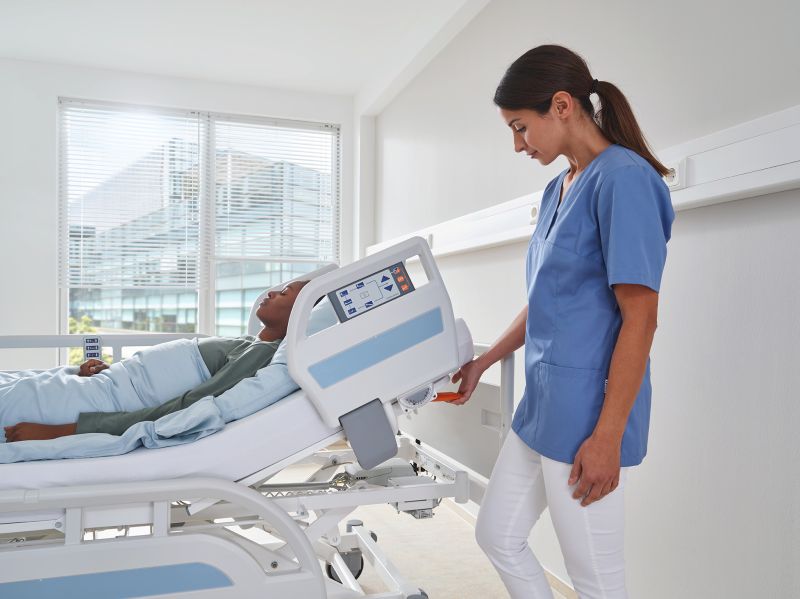
A 7 Function Hospital Bed Actuator system is an advanced motion control solution designed for modern hospital beds, ICU beds, rehabilitation beds, and healthcare furniture applications. These systems combine synchronized electric linear actuators, intelligent control electronics, and multi-function patient remotes to provide smooth and reliable patient positioning.

Modern hospitals require advanced medical equipment that supports patient comfort, smooth movement control, and efficient healthcare operation. Therefore, automated hospital bed systems have become an essential part of ICU beds, rehabilitation beds, Fowler beds, and home-care medical furniture.

Moreover, these systems support smooth positioning adjustment while maintaining stable operation during continuous usage. Unlike manual bed systems, automated actuator technology improves patient handling and reduces physical effort for caregivers. In addition, synchronized actuator coordination helps maintain smooth movement transfer between different bed sections.

As healthcare technology continues evolving, hospitals increasingly prefer intelligent motion control systems that provide reliable performance, low-noise operation, and advanced positioning flexibility. Consequently, actuator systems now play a major role in modern healthcare infrastructure.


What is a 7 Function Hospital Bed Actuator?

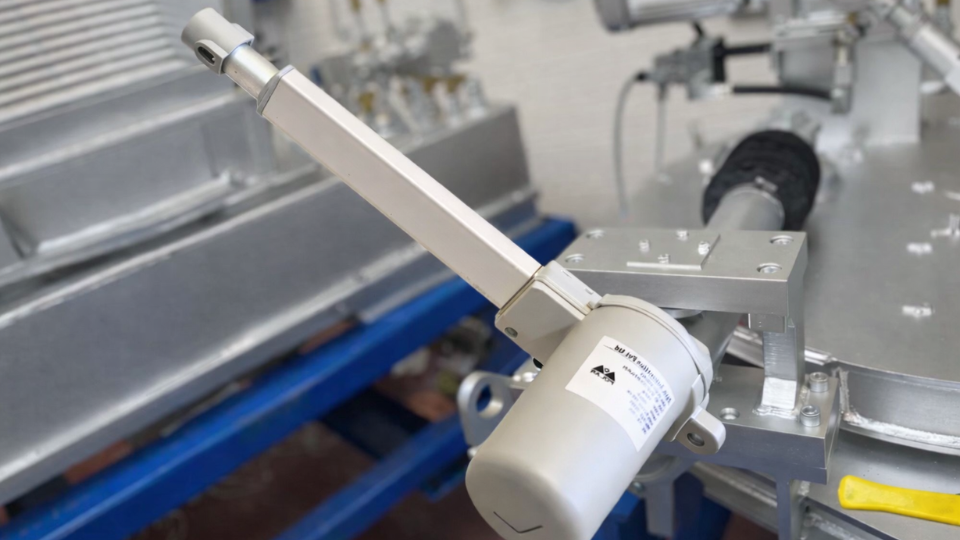
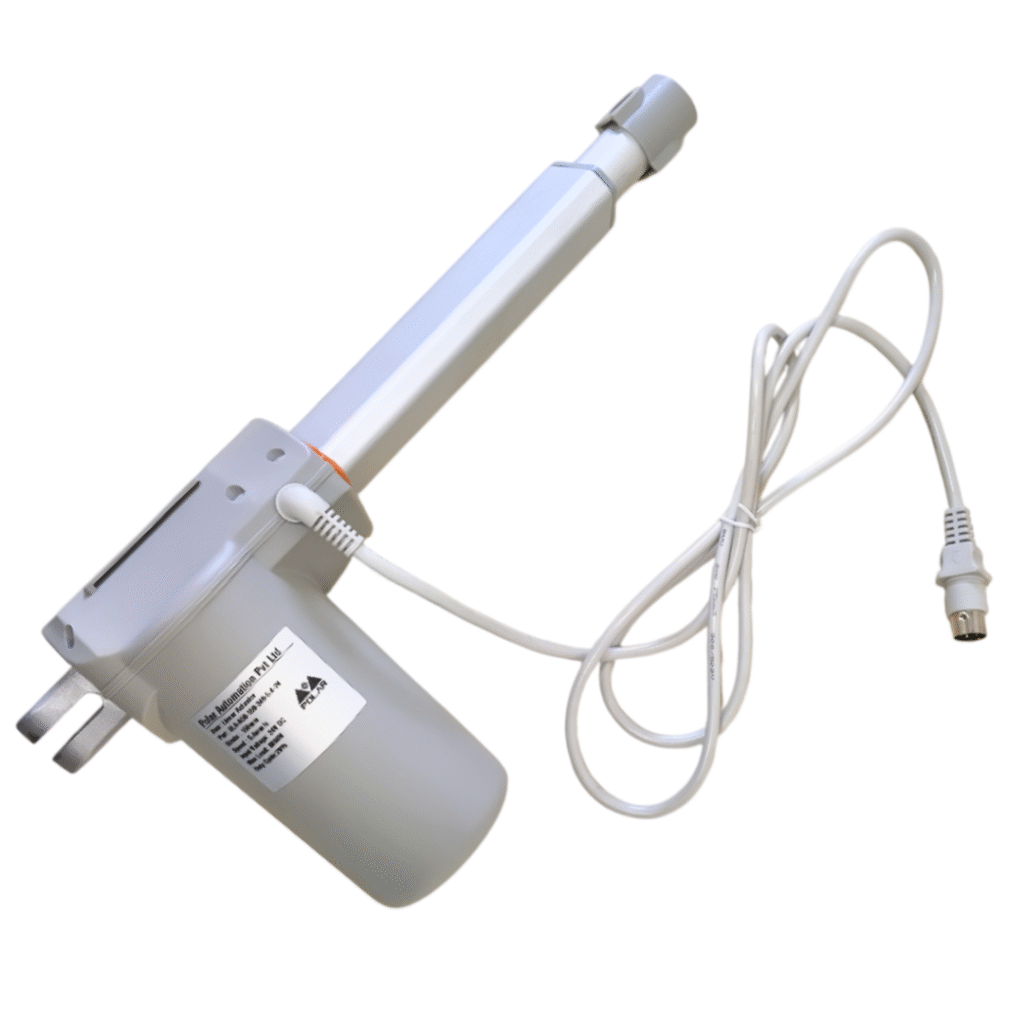
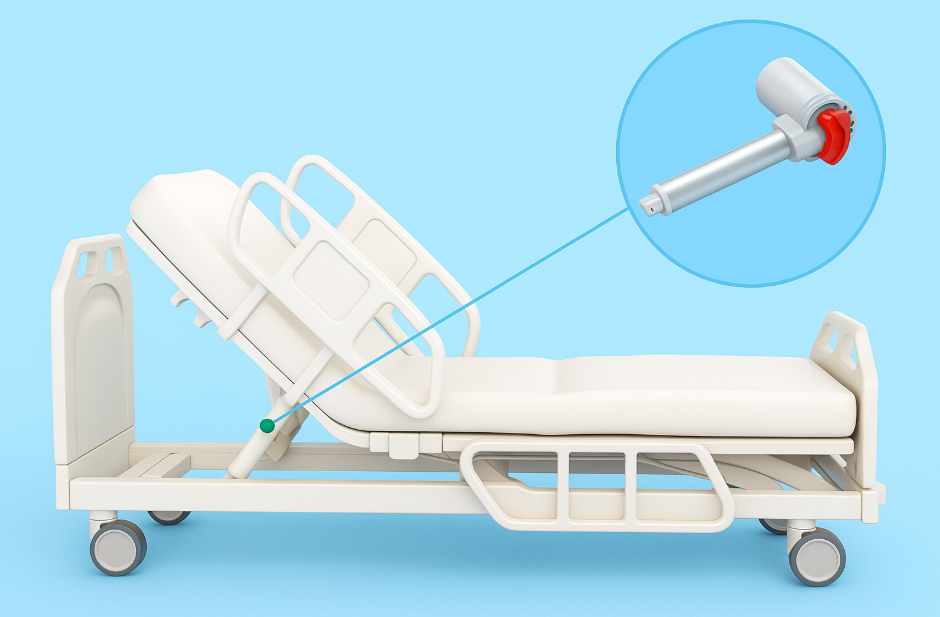
7 Function Hospital Bed Actuator

A 7 Function Hospital Bed Actuator is an electromechanical motion control system designed to automate multiple hospital bed positioning functions. These systems use synchronized actuators, control units, and patient remotes to achieve smooth and coordinated bed movement.

Typically, the system supports:

  • Backrest adjustment
  • Leg positioning
  • Bed height movement
  • Trendelenburg positioning
  • Reverse Trendelenburg movement
  • Chair positioning
  • Rehabilitation positioning

As a result, healthcare professionals can position patients more comfortably and efficiently according to medical requirements.

Furthermore, intelligent actuator synchronization helps maintain balanced movement during simultaneous adjustment operations. Consequently, hospitals achieve improved patient comfort and safer movement control. In addition, automated positioning systems help reduce manual handling efforts for healthcare staff.


Importance of 7 Function Hospital Bed Actuator in Healthcare

Modern healthcare environments require reliable patient positioning systems for critical care and rehabilitation applications. Therefore, advanced actuator systems are widely integrated into:

  • ICU beds
  • Critical care beds
  • Rehabilitation beds
  • Fowler beds
  • Home-care beds
  • Long-term patient care systems

In addition, automated positioning functions improve patient mobility and reduce caregiver workload during daily operation.

Because patient posture directly impacts comfort and healthcare support, hospitals increasingly rely on synchronized actuator technologies for advanced medical beds. Moreover, intelligent movement systems help improve operational efficiency while supporting smooth and controlled patient handling.

Similarly, automated bed systems contribute to safer healthcare procedures by minimizing unnecessary physical strain during patient repositioning.


Motion Coordination in 7 Function Hospital Bed Actuator Systems

One of the most important features of a 7 Function Hospital Bed Actuator system is synchronized motion coordination. Multiple actuators operate together through centralized control architecture to provide stable and accurate movement.

The actuator system integrates:

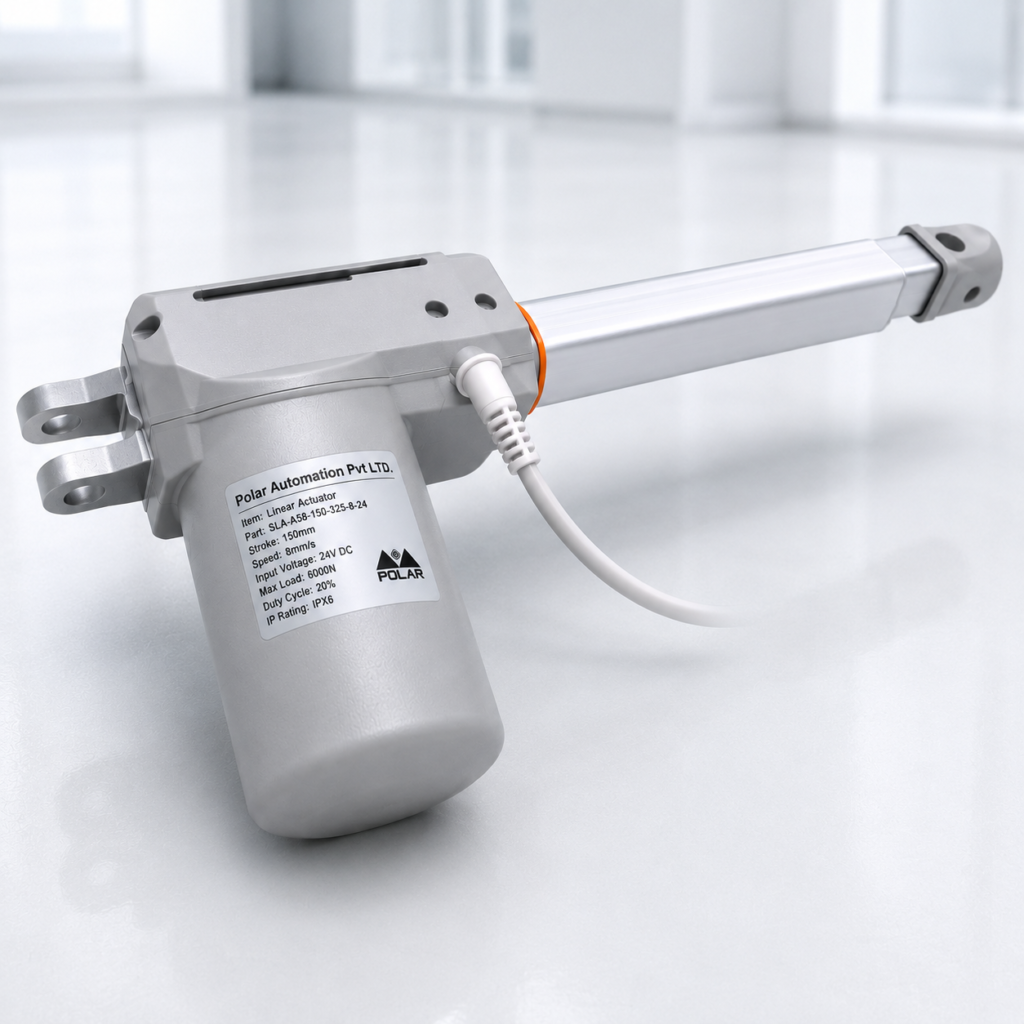
  • Medical linear actuators
  • Intelligent control electronics
  • Multi-function patient remotes
  • Synchronized motion control systems

Consequently, different bed sections can move simultaneously without affecting positioning stability.

For example, chair positioning and rehabilitation movement require coordinated adjustment between the backrest, leg section, and bed height system. Therefore, synchronized actuator operation helps maintain smooth transition between bed positions.

Additionally, intelligent control electronics help reduce mechanical stress during repeated movement cycles while maintaining safe operation. Furthermore, stable motion synchronization improves overall patient comfort during continuous positioning adjustments.


Key Features of 7 Function Hospital Bed Actuator Systems

Smooth Positioning Adjustment

The actuator system provides stable and controlled movement for multiple bed functions. As a result, patients experience smoother positioning during treatment and recovery.


Intelligent Motion Synchronization

Advanced synchronization technology helps maintain balanced actuator movement during simultaneous adjustment operations. Moreover, coordinated motion improves patient comfort and positioning accuracy.


Low Noise Operation

Modern healthcare environments require silent equipment operation. Therefore, actuator systems are designed for low-noise movement suitable for ICU and patient care applications.

In addition, reduced operational noise helps create a more comfortable healthcare environment for patients and caregivers.


Reliable Continuous Performance

Hospital bed actuator systems are developed for continuous-duty medical applications. Consequently, they maintain stable operation during repeated usage cycles.

Furthermore, reliable actuator performance helps healthcare facilities maintain uninterrupted patient care support.


High Load Handling Capability

Advanced actuator systems support heavy-duty hospital bed applications while maintaining smooth movement performance. As a result, hospitals can use these systems for various healthcare furniture configurations.


Compact Medical Integration

The actuator system integrates efficiently within modern medical bed structures. In addition, compact electronic design improves overall healthcare furniture functionality.

Moreover, integrated actuator systems help optimize medical bed design without affecting operational efficiency.


Role of Linear Actuator Controller in Hospital Beds

A Linear Actuator Controller manages communication between actuators, patient remotes, and electronic control systems. Therefore, it plays an important role in synchronized movement coordination and operational safety.

The controller system supports:

  • Motion synchronization
  • Position management
  • Safety protection functions
  • Overload prevention
  • Limit switch monitoring

As a result, hospitals achieve smooth and reliable bed operation during continuous patient care.

Furthermore, intelligent controllers improve actuator efficiency while reducing operational stress on mechanical components. Consequently, the overall performance stability of the hospital bed system improves significantly.


Benefits of Linear Actuator 24V Systems

7 Function Hospital Bed Actuator

Most medical bed systems use Linear Actuator 24V technology because it provides safe and efficient operation.

Major advantages include:

  • Smooth actuator movement
  • Low operational noise
  • Stable power efficiency
  • Reliable continuous-duty performance
  • Safe low-voltage operation

In addition, 24V actuator systems are highly suitable for healthcare environments where controlled and silent movement is essential.

Because of their stable operational characteristics, these systems are widely preferred in advanced hospital beds and medical furniture applications. Furthermore, low-voltage actuator systems support safer healthcare operation standards.


Importance of Patient Remote Systems

7 Function Hospital Bed Actuator

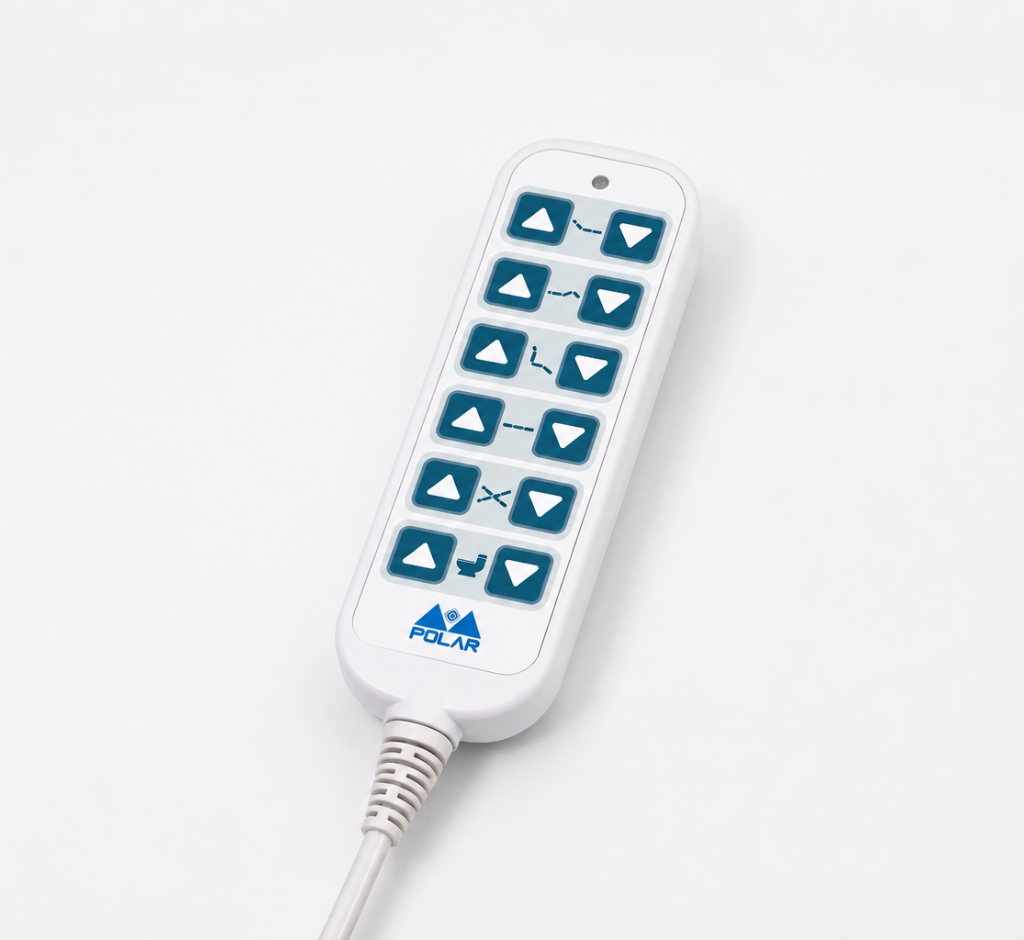
Patient remotes are essential components of advanced hospital bed systems. These remotes allow patients and caregivers to control multiple bed functions conveniently and safely.

The 7 function remote supports:

  • Independent bed movement control
  • Ergonomic operation
  • Medical-grade button interface
  • Durable construction
  • Reliable continuous operation

Moreover, easy-to-use button layouts improve operational convenience for both patients and healthcare staff.

As a result, patient remotes contribute significantly to overall patient comfort and healthcare efficiency. Additionally, intuitive controls help improve usability during continuous medical care operation.


Advantages of 7 Function Hospital Bed Actuator Technology

Improved Patient Comfort

Advanced positioning functions support rehabilitation, treatment, and long-term patient care applications.

Better Caregiver Efficiency

Automated movement systems reduce manual effort during patient handling procedures. Consequently, healthcare staff can manage patient positioning more efficiently.

Stable Motion Coordination

Synchronized actuators maintain balanced movement during multiple positioning adjustments. In addition, stable movement improves operational reliability.

Quiet Healthcare Operation

Low-noise actuator systems improve comfort in hospitals and ICU environments. Therefore, patients experience a better recovery environment.

Reliable Long-Term Performance

Medical actuator systems are designed for continuous healthcare applications. Moreover, durable actuator construction supports long operational service life.

Therefore, healthcare facilities increasingly adopt intelligent actuator systems for modern patient care infrastructure.


Applications of 7 Function Hospital Bed Actuator Systems

A Hospital bed linear actuator system is widely used across various healthcare applications, including:

  • ICU beds
  • Critical care beds
  • Fowler beds
  • Rehabilitation beds
  • Home-care beds
  • Advanced medical furniture systems

Moreover, synchronized motion systems improve patient mobility and healthcare operational efficiency. As a result, hospitals achieve better patient care support through intelligent positioning systems.


Polar Automation – Advanced Hospital Bed Actuator Solutions

Polar Automation specializes in advanced medical motion control systems for hospital beds and healthcare furniture applications. The company develops synchronized actuator technologies designed for smooth and reliable patient positioning.

Their solutions include:

  • 7 Function Hospital Bed Actuator systems
  • Linear Actuator Controller integration
  • Linear Actuator 24V systems
  • Multi-function patient remotes
  • Intelligent medical control electronics
  • Advanced synchronized actuator systems

Moreover, their products are designed for ICU beds, rehabilitation systems, Fowler beds, and modern healthcare furniture applications. Consequently, healthcare manufacturers can integrate reliable motion control technologies into advanced medical bed systems.


Future of 7 Function Hospital Bed Actuator Technology

Healthcare engineering is continuously evolving toward intelligent and automated patient care systems. Therefore, demand for advanced actuator technologies continues increasing across healthcare industries.

Modern healthcare environments require:

  • Intelligent motion control
  • Automated patient positioning
  • Reliable synchronized movement
  • Compact medical electronics
  • Advanced rehabilitation support systems

Consequently, actuator systems will continue playing a major role in future healthcare infrastructure and medical furniture development. Furthermore, increasing healthcare automation will drive demand for advanced synchronized movement technologies.


Conclusion

A 7 Function Hospital Bed Actuator system provides advanced movement control for modern healthcare applications. By integrating synchronized actuators, intelligent control electronics, and ergonomic patient remotes, these systems support smooth and reliable hospital bed positioning.

From advanced Linear Actuator Controller technology to efficient Linear Actuator 24V systems, automated medical bed solutions improve patient comfort, caregiver convenience, and operational efficiency.

With advanced engineering and healthcare-focused innovation, Polar Automation continues delivering reliable actuator systems for modern hospital beds and medical furniture applications.

Applications of Linear Actuator Systems in Industrial Automation

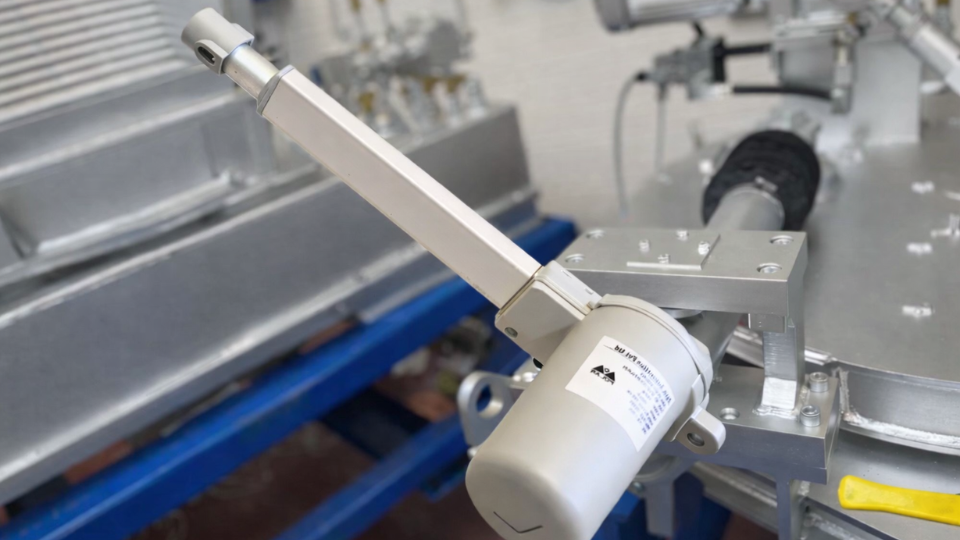
Precise and controlled motion is essential for modern industries. Therefore, Linear Actuator Systems play an important role in this field. They convert electrical, hydraulic, or pneumatic energy into straight-line motion. As a result, machines achieve high accuracy and consistent performance in industrial automation.

In addition, these systems improve productivity and reduce manual effort across industrial processes.


What is a Linear Actuator System?

Linear Actuator Systems

A linear actuator system produces motion in a straight line. It works by converting input energy into mechanical movement through a motor and drive mechanism.

Moreover, the system controls speed, position, and force with high accuracy. Because of this, industries can achieve reliable motion in automated operations.

It also integrates with PLC systems, which improves control and monitoring in industrial environments.


Applications of Linear Actuator Systems in Industrial Automation

Linear actuator systems are used across many industries. Below are the key applications.


1. Manufacturing Industry

Manufacturing units use these systems for positioning and assembly tasks. They support component alignment and automated production lines.

Therefore, production becomes faster and more consistent. They also reduce manual dependency and improve output quality.


2. Material Handling Systems

Linear Actuator Systems

Material handling requires smooth and controlled movement. Its help move conveyors, lift materials, and support sorting operations.

As a result, material flow becomes efficient and stable. They also improve workplace safety by reducing manual lifting.


3. Packaging Industry

Linear Actuator Systems

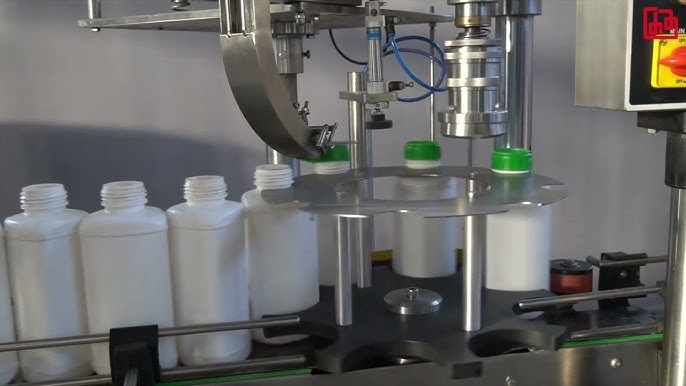
Packaging lines rely on speed and accuracy. These systems manage filling, sealing, and labeling tasks.

In addition, they ensure uniform packaging at high speed. This reduces errors and improves production efficiency.


4. Robotics and Automation

Linear Actuator Systems

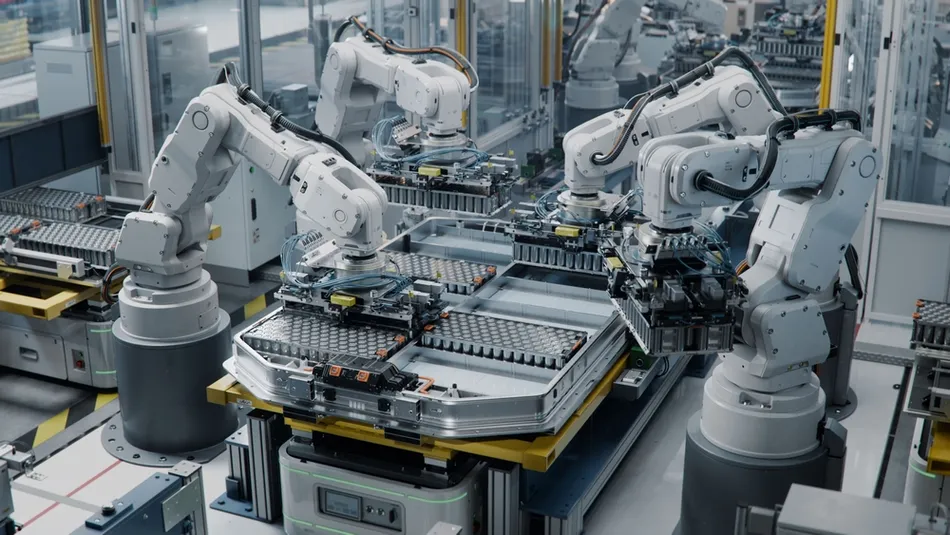
Robotic systems depend on precise motion control. Linear actuator systems support arm movement and repetitive task execution.

Therefore, robots perform with high accuracy and repeatability. They also improve consistency in industrial automation tasks.


5. Automotive Industry

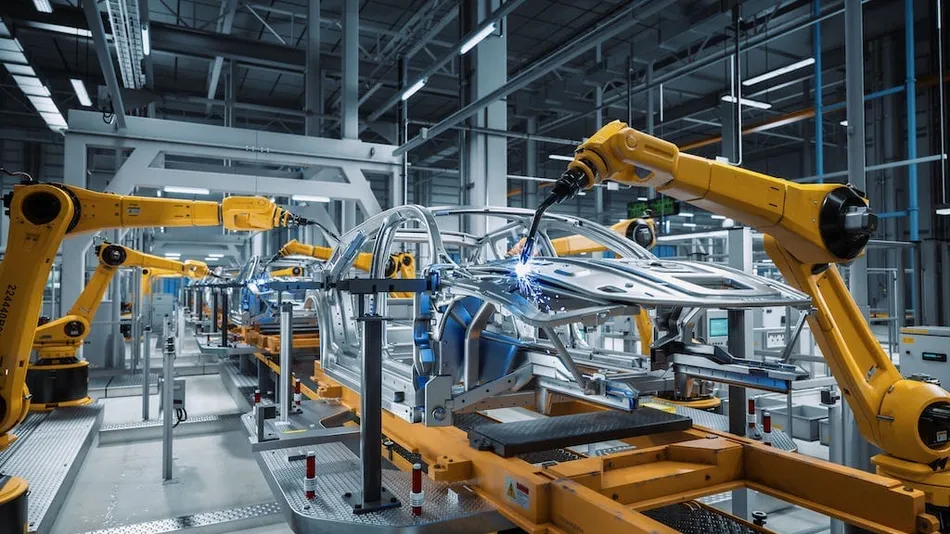
Automotive production uses these systems in assembly and welding processes. They support positioning and testing operations.

As a result, production lines run smoothly and efficiently. Safety also improves because manual handling is reduced.


6. CNC Machines

Linear Actuator Systems

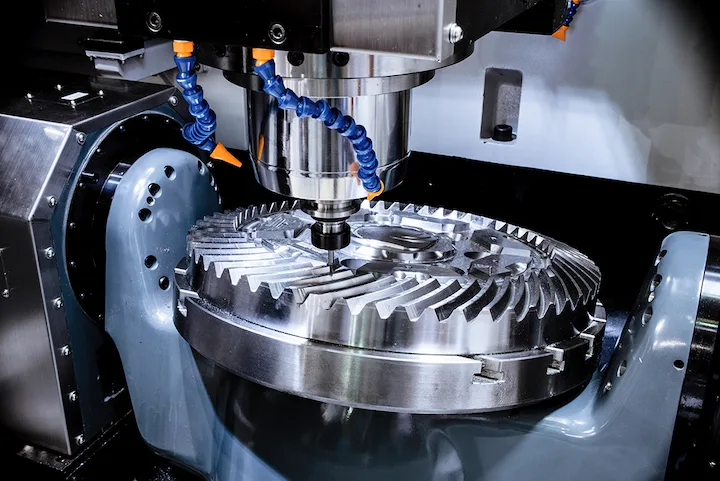
CNC machines require accurate axis control. Linear actuator systems manage tool positioning and machining movements.

In addition, they ensure precise cutting and consistent output quality. This improves overall manufacturing accuracy.


7. Testing Systems

Testing equipment uses these systems for load and compression testing. They simulate controlled motion for product evaluation.

Therefore, test results become more reliable. Industries can easily identify performance issues early.


Benefits of Linear Actuator Systems in Industrial Automation

Linear actuator systems offer several advantages in automation:

  • High precision motion control
  • Improved operational efficiency
  • Reduced manual intervention
  • Easy PLC integration
  • Low maintenance requirements

Moreover, they support modern smart manufacturing systems and Industry 4.0 processes.


Importance in Modern Automation

Modern industries demand speed, accuracy, and flexibility. Therefore, linear actuator systems are widely used in automated production environments.

They help maintain consistent output and improve process control. In addition, they support advanced manufacturing technologies.

As a result, industries achieve higher productivity and better reliability.


Conclusion

Linear actuator systems are essential in industrial automation. They are used in manufacturing, robotics, packaging, automotive, CNC, and testing applications.

Therefore, industries achieve better precision, efficiency, and performance. As automation continues to grow, these systems will become even more important.

Wireless Actuator Control System: Features, Benefits, and Applications

In today’s industrial automation landscape, precision, flexibility, and safety are crucial. A wireless actuator control system provides advanced control over linear actuators, enabling remote operation, simplified installation, and improved efficiency. Moreover, this system integrates seamlessly with 24V DC industrial actuators and external actuator control units, making it ideal for manufacturing, medical equipment, and smart industrial setups.


What is a Wireless Actuator Control System?

A wireless actuator control system is a technology solution that allows operators to control linear actuators remotely. Specifically, it consists of:

  • A linear actuator controller or wireless actuator controller that manages actuator motion.
  • An actuator control box or external actuator control unit that regulates power and communicates with actuators.
  • Industrial actuators, typically 24V DC, that deliver precise motion.

Consequently, operators can control multiple actuators wirelessly, enhancing both precision and safety in industrial operations. Furthermore, the system reduces wiring complexity, which lowers installation time and costs.


Key Features of Wireless Actuator Control Systems

Wireless actuator control systems offer a range of features that improve industrial performance.

1. Remote Operation

Firstly, a wireless actuator control system eliminates the need for extensive wiring. As a result, operators can control actuators from safe distances. This feature is particularly valuable in hazardous or hard-to-reach environments.

2. Precise Motion Control

Moreover, modern linear actuator controllers provide accurate positioning, adjustable speed, and programmable travel limits. Consequently, production processes achieve higher efficiency and consistency.

3. Flexible Power Options

Wireless actuator control system

In addition, many systems support 24V DC actuators, ensuring reliable power and safe operation. The external actuator control unit optimizes power delivery and protects actuators from overload or damage.

4. Compatibility with Multiple Actuator Types

Similarly, wireless actuator controllers are compatible with a variety of industrial actuators, including rod-style, telescopic, and lifting column actuators. Therefore, the system is highly versatile across applications.

5. User-Friendly Interface

Furthermore, operators can monitor and control actuators via a mobile or desktop interface. For instance, programmable sequences allow repetitive tasks to be automated, saving time and reducing errors.

6. Safety and Feedback Features

Additionally, wireless systems include overload protection, emergency stop functions, and real-time feedback. Consequently, operators can prevent actuator damage and ensure operational safety.


Benefits of a Wireless Actuator Control System

Implementing a wireless actuator control system offers significant advantages compared to traditional wired systems.

1. Simplified Installation

Firstly, without complex wiring, installation becomes faster and cleaner. Therefore, retrofits or system upgrades are more convenient, reducing downtime.

2. Reduced Maintenance

Moreover, fewer physical connections mean lower wear and tear. As a result, wireless actuator systems are less prone to environmental damage from dust, moisture, or chemicals.

3. Enhanced Safety

In addition, remote operation keeps personnel away from moving machinery. Consequently, operators are less exposed to risks, while instant feedback ensures timely alerts for faults or overloads.

4. Scalability

Furthermore, wireless actuator control systems are easily expandable. For instance, additional actuator control boxes or controllers can be added as production needs grow.

5. Energy Efficiency

Similarly, the external actuator control unit optimizes energy usage for 24V DC industrial actuators. Therefore, operational costs are reduced while maintaining performance.

6. Improved Automation Precision

Additionally, automated sequences, speed adjustments, and programmable positioning reduce human error. As a result, production quality improves and consistency is maintained across operations.


Industrial Applications of Wireless Actuator Control Systems

Wireless actuator control systems are highly versatile and find use in various industrial and commercial sectors.

1. Automated Manufacturing

For example, wireless systems control robotic arms, conveyor belts, and assembly lines. Consequently, operators can manage multiple actuators simultaneously, enhancing production efficiency.

2. Material Handling

In warehouses, wireless actuator control systems operate lift platforms, sorting machinery, and automated storage systems. Therefore, material handling becomes safer and more efficient.

3. Medical Equipment

Similarly, adjustable hospital beds, patient lifts, and diagnostic machines benefit from wireless control. In addition, operators can ensure precise movement without physical intervention.

4. Agricultural Automation

For instance, greenhouses, irrigation systems, and farm machinery integrate wireless actuator controllers to optimize environmental conditions. Consequently, labor is reduced, and productivity increases.

5. Renewable Energy Systems

Moreover, solar panel trackers and wind turbines use wireless actuator control systems for optimal positioning. As a result, energy generation becomes more efficient and consistent.

6. Smart Industrial Equipment

Finally, wireless actuator controllers enable IoT integration, real-time monitoring, and automated adjustments. Therefore, smart factories and Industry 4.0 setups achieve higher efficiency and automation precision.


Choosing the Right Wireless Actuator Control System

When selecting a wireless actuator control system, several factors must be considered:

  • Actuator specifications: stroke length, voltage (24V DC), and load capacity.
  • Control features: programmable sequences, speed control, limit switches, and feedback integration.
  • Communication protocols: RF, Bluetooth, or proprietary wireless systems.
  • Environmental factors: dust, moisture, temperature, and interference.
  • Scalability: the ability to expand with additional actuators or actuator control boxes.

Consequently, choosing the right system ensures reliability, efficiency, and future-proof automation.


Conclusion

A wireless actuator control system transforms industrial automation by offering remote operation, precise motion control, and reduced maintenance. Furthermore, features such as compatibility with linear actuators, 24V DC devices, and external actuator control units make it superior to traditional wired systems.

From manufacturing and material handling to medical, agricultural, and renewable energy applications, wireless actuator controllers and actuator control boxes provide enhanced productivity, safety, and scalability. Therefore, investing in a wireless actuator control system is a strategic step toward smarter, more efficient industrial operations.

Why Polar Is the First Choice for Actuator Control Systems in Hospital Furniture Automation

In today’s healthcare environment, hospitals and medical equipment manufacturers depend on technologies that deliver accuracy, reliability, and long operational life. At the center of modern hospital furniture automation is the hospital beds linear actuator, a system that must offer smooth motion, long-term durability, and precise control.

Polar Automation has become a preferred partner for medical bed OEMs because of its consistent engineering quality, deep understanding of hospital equipment requirements, and commitment to future-ready automation solutions.


Hospital Beds Linear Actuator Designed for Precise Medical Bed Movements

A hospital beds linear actuator must perform flawlessly during frequent adjustments. Polar’s systems are designed to offer:

  • Smooth and silent motion, ensuring comfort for patients and ease for caregivers.
  • Accurate position control, allowing medical teams to set and maintain the exact posture required for treatment, therapy, or patient support.
  • Consistent repeatability, ensuring each movement follows precise alignment, even after years of continuous use.

This level of precision comes from carefully engineered motors, optimized gear mechanisms, and intelligent control electronics developed in-house.


Designed for Long-Term Reliability in Demanding Environments

Hospital beds operate around the clock. Every component within the motion system must withstand continuous use without performance drops. Polar builds its actuator systems with:

  • High-grade materials selected for strength and corrosion resistance.
  • Industrial-quality motor designs built for long duty cycles.
  • Thermal and load protection mechanisms to prevent system strain during peak usage.

This ensures a long service life, fewer replacements, and stable functioning even in busy hospital environments.


Built-In Safety Aligned With Medical Industry Expectations

Safety is one of the strongest requirements in healthcare automation. Polar integrates protective features directly at the hardware and control levels, including:

  • Overload protection to prevent damage during unexpected force.
  • Safe-stop logic for controlled movement in case of power variations.
  • Medical-grade compliance design focused on reliability and fail-safe operation.

These elements contribute to safer patient handling and secure bed adjustments in critical care scenarios.


Customizable Configurations for Diverse Hospital Bed Designs

Every OEM has unique design goals. Polar’s actuator solutions allow manufacturers to shape their products exactly as they envision. Options include:

  • Flexible stroke lengths for different bed segments.
  • Varied load capacities and speed profiles, adaptable to ICU beds, ward beds, examination tables, and more.
  • Programmable control features, enabling multi-function bed movements.
  • Choice of remotes and control units, selectable based on ergonomics, user experience, and application.

This makes integration simple, fast, and efficient, without forcing OEMs to redesign their existing bed structures.


Intelligent Control Technology that Enhances Workflow

Polar’s advanced control systems are developed with a deeper understanding of hospital operations. They focus on:

  • Reducing caregiver effort with easy, responsive control functions.
  • Optimizing daily workflow through precise actuation cycles.
  • Improving ergonomics, allowing smooth transitions between patient positions.

These intelligent systems contribute to better patient handling, shorter adjustment times, and improved caregiver productivity.


H2: OEM Branding and Customization Options for Hospital Beds Linear Actuator

Customized hospital beds linear actuator with OEM branding

A distinct market identity is essential for medical equipment manufacturers. Polar supports OEM branding by offering:

  • Logo integration on actuators, controllers, and handsets.
  • Custom labeling options, aligned with the OEM’s design style.

This allows manufacturers to maintain brand consistency across all mechanical and electronic components of their hospital beds.


DesignedH2: Made-in-India Hospital Beds Linear Actuator Engineering Excellence

& Made in India     

Polar Automation takes pride in developing its actuator systems entirely in India—design, engineering, manufacturing, and testing. This results in:

  • Strong quality control, since every core component is built in-house.
  • Faster lead times, ensuring OEMs receive components on schedule.
  • Better support and customization, thanks to a close, collaborative engineering approach.

This end-to-end control over production enables higher consistency and innovation speed.


Why Polar Continues to Lead in Hospital Furniture Automation

Medical professionals, hospitals, and equipment manufacturers trust Polar because the systems perform reliably where it matters most—patient care. Through continuous engineering improvements, deep application knowledge, and a focus on long-term performance, Polar delivers actuator control solutions that elevate every hospital bed design.

If you are looking to enhance your product line with precise, durable, and intelligently engineered automation systems, Polar’s solutions for hospital beds linear actuator applications bring strength, stability, and refined control—built for modern healthcare needs.

How Linear Actuator Selection Impacts Patient Safety and Bed Longevity

Introduction to Motorized Actuator for Beds in Indian Hospitals

In India’s healthcare sector, hospital beds are crucial for patient care, comfort, and safety. At the heart of modern hospital beds is the motorized actuator for beds, enabling precise bed adjustments that improve patient outcomes and enhance operational efficiency.

Selecting the right actuator is vital because it directly impacts patient safety and the longevity of hospital beds. With high patient turnover and diverse care requirements in Indian hospitals, actuator quality, durability, and compatibility with control systems are key considerations.


Understanding Motorized Actuator for Beds and Electric Linear Actuators

What Is a Motorized Actuator for Beds?

A motorized actuator for beds converts electrical energy into linear motion to control movements such as:

  • Headrest elevation
  • Leg rest adjustment
  • Overall bed height changes

These actuators ensure smooth, safe, and precise adjustments, reducing physical strain on caregivers and improving patient comfort.

Key Types of Motorized Actuators for Beds from Polar Automation

  • Electric Linear Actuators: Silent and smooth operation, ideal for ICUs and patient rooms.
  • Motorized Linear Actuators: Robust, durable, and capable of handling high patient loads.
  • Linear Actuator Control Boxes: Manage multiple actuators simultaneously, ensuring synchronized and safe bed movements.

How Motorized Actuator for Beds Improves Patient Safety

1. Accurate Patient Positioning with Motorized Actuator for Beds

Proper positioning prevents bedsores, improves circulation, and facilitates medical procedures. Polar Automation’s motorized actuators for beds provide precise adjustments for head, leg, and overall bed positions, ensuring optimal patient comfort and safety.

2. Emergency Bed Adjustments Using Motorized Linear Actuators

Rapid bed adjustments are critical in emergencies. Polar Automation actuators support fast, reliable repositioning and include manual override options for operation during power outages—a key advantage for Indian hospitals.

3. Synchronization of Motorized Actuators for Beds

Beds often use multiple actuators for coordinated movement. Polar Automation’s control systems ensure all actuators work in perfect sync, preventing uneven bed positioning and reducing risk of patient injury.

4. Infection Control with Electric Linear Actuators

Sealed actuator designs prevent dust and fluid accumulation, simplifying cleaning and disinfection. This reduces hospital-acquired infections and helps maintain high hygiene standards in ICUs and general wards.

5. Ergonomic Benefits with Motorized Actuator for Beds

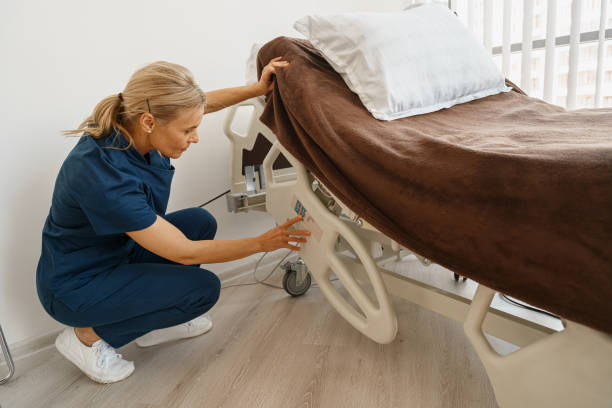
Professional nurse preparing hospital ward bed with pillow and blanket for comfort of sick person

By minimizing manual lifting and repositioning, Polar Automation actuators reduce caregiver strain and prevent workplace injuries, ensuring efficient and safe patient care.


Enhancing Bed Longevity with Polar Automation

1. Durability

High-quality actuators from Polar Automation are designed to withstand continuous use, ensuring long-lasting bed performance.

2. Reduced Maintenance Costs

Reliable actuators lower repair frequency, saving hospitals both time and operational costs—a vital consideration for Indian healthcare facilities.

3. Advanced Features

Polar Automation actuators support:

  • Memory positions for recurring patient setups
  • Remote operation for caregiver convenience
  • Diagnostic alerts to prevent unexpected failures

These features enhance bed functionality and extend the lifespan of hospital beds.

4. Safety Certifications

Polar Automation actuators comply with international and Indian safety standards, ensuring safe and reliable performance in hospital settings.


Key Considerations for Choosing Motorized Actuators

  1. Load Capacity: Ensure actuators support the maximum patient weight plus any accessories.
  2. Noise Levels: Low-noise operation maintains a quiet hospital environment.
  3. Duty Cycle: Match actuator usage to prevent premature wear.
  4. Environmental Resistance: Must tolerate heat, humidity, and dust common in India.
  5. Control Box Integration: Smooth synchronization of multiple actuators.
  6. Local Support: Access to technical support and replacement parts from Polar Automation.

Why Choose Polar Automation

Polar Automation specializes in high-performance motorized actuators for beds designed specifically for Indian hospitals. Key advantages include:

  • Robust, durable actuators capable of handling heavy-duty use
  • Smooth and silent operation suitable for ICUs
  • Advanced control systems with synchronized actuator management
  • Manual override for emergencies
  • Compliance with safety standards and high-quality certifications
  • Local support and maintenance solutions tailored to Indian hospitals

By choosing Polar Automation, hospitals can ensure maximum patient safety, reduce maintenance costs, and prolong the operational life of their beds.


Conclusion

The selection of a motorized actuator for beds is critical for patient safety, caregiver efficiency, and bed longevity in India. Polar Automation offers reliable, high-quality actuators that meet the rigorous demands of Indian hospitals, ensuring smooth, precise, and safe bed operation.

Investing in Polar Automation actuators means safer patients, empowered caregivers, and durable hospital beds that withstand the test of time.

Top Features That Define a Hospital-Grade Medical Actuator System

When we think about hospital beds, the comfort and safety they provide often come down to what’s happening behind the scenes — especially the linear actuator system. This system quietly works to adjust beds smoothly, helping patients find the right position and making a nurse’s job easier.

But what exactly makes a linear actuator system “hospital-grade”?

Let’s talk about the key features that set these systems apart, focusing on the Indian hospital environment — where reliability, durability, and adaptability are non-negotiable.


What Is a Hospital-Grade Linear Actuator System?

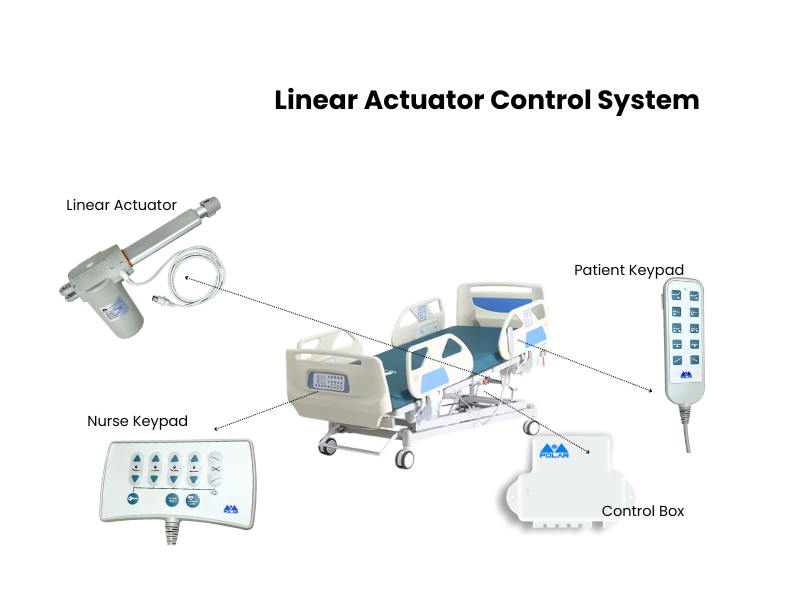
At its simplest, a linear actuator system is a combination of smart components that work together:

  • The linear actuator moves the bed smoothly, usually powered by a 12V actuator motor.
  • The control box acts as the brain, controlling the actuator’s movements.
  • The patient handset or bed remote allows patients to adjust their bed positions independently.
  • The nurse keypad gives caregivers more control and special functions.

Together, these parts make flexible and user-friendly. However, hospital-grade systems go way beyond basic functionality.


Key Features of a Hospital-Grade Linear Actuator System

1. Customization in Linear Actuator Control Systems for Hospital Use

No two hospitals or beds are exactly the same. Therefore, hospital-grade systems offer customization — from the size and shape of the linear actuator control box to the layout of buttons on the patient handset and nurse keypad. As a result, the system fits perfectly and feels intuitive for both patients and staff.

2. Smart Linear Actuators: Quiet Performance in Medical Settings

In addition, a smart linear actuator system ensures quiet operation — a must in hospital environments. These actuators are built to last, handle frequent use, and maintain precision — even after thousands of adjustments. Consequently, patients experience comfort without disturbance.

3. What Is the Role of Microcontrollers in Linear Actuator Systems?

You might wonder, What is the primary role of microcontrollers in medical devices? In these actuator systems, microcontrollers are tiny but powerful brains. They ensure that commands from the bed remote or nurse keypad are executed safely and accurately. Moreover, they prevent sudden jerks or overloads, protecting both patients and equipment.

4. Safety Standards in Medical Linear Actuator Systems

Safety isn’t an add-on; it’s built into the system. Hospital-grade actuators and control boxes meet strict electrical and mechanical standards. In contrast to generic actuators, these are designed to handle power fluctuations common in India. Additionally, built-in fail-safe features offer protection during emergency situations.

5. Why Support Matters for Hospital Linear Actuator Systems

Not only that, a great design isn’t enough without strong support. Managing design, manufacturing, and dispatch under one roof ensures consistent quality and faster turnaround. As a result, hospitals benefit from quick service and reduced downtime.


Why These Features Matter in the Indian Market

Indian hospitals often deal with power instability, varied bed models, and tight budgets. Therefore, a linear actuator system must be efficient, adaptable, and cost-effective.

  • The popular 12V actuator balances power and safety.
  • Customizable linear actuator control boxes support diverse bed models.
  • Durable, smart electric actuators handle repetitive use with ease.
  • Furthermore, well-designed bed remotes and nurse keypads improve usability in high-pressure hospital environments.

The term “hospital-grade” goes beyond tough hardware. Ultimately, it’s about building a system that’s reliable, safe, and user-friendly.

When microcontrollers work silently in the background, actuators move gently, and the control box responds instantly — then you know it’s a truly hospital-grade linear actuator system.

The Role of Electric Actuator in Gynaecology Table

Introduction

The Electric Actuator in Gynaecology Table is transforming the medical industry by providing automation, precision, and enhanced comfort for both doctors and patients.

With the increasing demand for gynecologist tables and obstetric delivery tables in India, integrating electric actuators ensures a seamless experience in gynecological procedures.

Polar Automation, specializes in advanced actuator technology, ensuring that gynecology table stirrups, pelvic exam tables, and exam tables with stirrups function efficiently. This article explores how these actuators enhance medical tables, improve patient comfort, and offer better control for doctors.

What is an Electric Actuator in Gynaecology Table ?

Electric Actuator in Gynaecology Table

An Electric Actuator in Gynaecology Table is an automation mechanism that enables precise movements of medical tables, ensuring adjustability, stability, and ergonomic positioning. It is widely used in gynae examination couches, exam tables with stirrups, and obstetric delivery tables to provide doctors with flexibility and patients with comfort.

Key Features of Electric Actuator in Gynaecology Table

  1. Smooth Motion Control – Ensures seamless height and tilt adjustments.
  2. Quiet Operation – Reduces noise for a stress-free medical environment.
  3. Customizable Adjustments – Enhances positioning for various gynecological procedures.
  4. High Load Capacity – Supports patient weight efficiently.
  5. Safety Mechanisms – Includes emergency stop and overload protection.
  6. Remote-Controlled Functionality – Allows hands-free adjustments.

Why Are Electric Actuators Important in Gynecological Examination Tables?

Medical professionals require precise positioning during examinations and procedures. The integration of electric actuators in gynecology tables offers several advantages.

1. Improved Patient Comfort in Electric Actuator in Gynaecology Table

A well-adjusted gynae examination couch provides better posture support, reducing discomfort during medical procedures. Moreover, an actuator-driven table minimizes manual handling, ensuring a smooth experience for both doctors and patients.

2. Enhanced Precision for Doctors

An Electric Actuator in Gynaecology Table allows doctors to adjust angles and height effortlessly, ensuring optimal examination conditions. Furthermore, precision in table movement enhances medical accuracy.

3. Increased Safety

Automated exam tables with stirrups include emergency stop features and load sensors, reducing the risk of patient discomfort or accidental falls. Additionally, these safety features contribute to a stress-free working environment for gynecologists.

4. Seamless Examination & Delivery Support

In an obstetric delivery table, actuators enable doctors to tilt and raise different sections to suit birthing positions. Consequently, this leads to a more efficient and controlled labor process.

5. Cost-Effective Medical Solutions

Although gynecological examination table price varies based on features, automated tables offer long-term durability, making them a worthy investment. Besides, reduced manual labor enhances efficiency, justifying the cost.

Types of Electric Actuator in Gynaecology Table Benefiting from Actuator Automation

1. Gynecology Table Stirrups with Electric Adjustments

Traditionally, manual stirrups were cumbersome to adjust. Now, gynecology table stirrups powered by actuators allow effortless foot and leg positioning, ensuring patient stability. Additionally, the automated adjustments improve examination accuracy.

2. Pelvic Exam Table

These tables are used for routine pelvic exams and PAP smears. An electric actuator system enhances positioning control, minimizing strain on both the patient and physician. As a result, examinations become more efficient and comfortable.

3. Obstetric Delivery Table

For childbirth, obstetric delivery tables require dynamic positioning. Actuators facilitate height and backrest adjustments, allowing for smooth labor and delivery processes. Moreover, automation supports varied birthing positions, benefiting both the doctor and the patient.

4. Gynae Examination Couch with Automated Reclining Feature

A gynae examination couch with electric reclining helps gynecologists perform diverse procedures, from ultrasounds to biopsies, efficiently. Furthermore, automated adjustments reduce the need for manual intervention, saving time and effort.

How Polar Automation Enhances Medical Tables with Electric Actuator in Gynaecology Table

Polar Automation, backed by Linepro’s expertise, integrates cutting-edge actuator technology into gynecological equipment. Here’s what makes their solutions stand out:

  • High-quality electric actuators with robust performance.
  • Custom-built automation systems tailored for medical applications.
  • Seamless integration with existing gynecological tables.
  • Smart control panels for easy operation.
  • Durable and low-maintenance solutions ensuring longevity.

Factors to Consider When Choosing a Electric Actuator in Gynaecology Table

When investing in an exam table with stirrups, consider the following:

  1. Motor Capacity – Ensure the actuator can support adequate weight capacity.
  2. Noise Level – Opt for a silent motor operation for patient comfort.
  3. Remote Control & Memory Function – Allows pre-setting positions for ease.
  4. Material Quality – Choose hygienic and durable materials for long-term use.
  5. Warranty & Support – Look for service and warranty options.

Gynecological Examination Table Price in India

The gynecological examination table price depends on features, materials, and actuator technology. Basic manual tables cost around ₹20,000 – ₹50,000, while automated tables with Electric Actuator in Gynaecology Table range from ₹70,000 – ₹1,50,000, depending on specifications.

Conclusion

The Electric Actuator in Gynaecology Table revolutionizes gynecological examination tables, ensuring efficiency, safety, and precision. Whether you are looking for a pelvic exam table, an obstetric delivery table, or an exam table with stirrups, integrating electric actuators ensures better patient care and convenience for doctors. Additionally, with advanced automation, medical professionals can perform procedures with greater accuracy and ease.

For high-quality gynecology tables in India, Polar Automation offers state-of-the-art actuator solutions designed for the future of medical automation.


Are you looking to upgrade your gynecological tables with automation? Contact Polar Automation today for cutting-edge solutions!

Electric Actuators in Dialysis Chairs – Revolutionizing Patient Comfort and Automation

In the evolving medical industry, patient comfort and accessibility remain top priorities. A significant advancement in dialysis treatment is the use of Electric Actuators in Dialysis Chairs.

Polar Automation, integrates this technology into medical equipment, improving patient care and convenience.

Understanding Electric Actuators in Dialysis Chairs

Electric Actuators in Dialysis Chairs

An Electric Actuator enables precise movements in medical chairs, including dialysis chairs. These actuators adjust the chair’s height, backrest, footrest, and tilt functions, ensuring optimal positioning for both patients and medical staff.

With growing demand for automated solutions in Indian healthcare, medical actuator solutions have transformed dialysis care. As a result, dialysis centers upgrade their equipment to enhance efficiency and patient experience.

Importance of Electric Actuators in Dialysis Chairs

Dialysis treatment requires patients to sit for long hours. Therefore, patient comfort, stability, and adjustability play crucial roles when selecting a dialysis chair. Electric actuators help achieve these factors.

1. Enhanced Patient Comfort

Firstly, electric actuators allow seamless position adjustments, reducing strain on patients who remain seated for extended periods. Smooth reclining and height adjustments contribute to overall comfort.

2. Improved Accessibility for Healthcare Providers

Additionally, a well-designed dialysis chair with motorized control ensures that medical professionals can easily adjust the patient’s position, facilitating better treatment access.

3. Customization Options

Furthermore, healthcare facilities can opt for a custom electric actuator setup that meets specific medical requirements. These tailored solutions improve the ergonomics and efficiency of dialysis chairs.

Dialysis Chair Specifications with Electric Actuator System

Electric Actuators in Dialysis Chairs

Before investing in a dialysis chair, understanding its specifications is essential. The inclusion of Electric Actuators enhances functionality. Key dialysis chair specifications include:

  • Electric Height Adjustment: Ensures comfortable entry and exit for patients.
  • Adjustable Backrest and Footrest: Provides ergonomic positioning for long dialysis sessions.
  • Smooth and Silent Operation: Reduces noise in medical environments.
  • Emergency Stop Function: Enhances safety for patients and staff.
  • High Weight Capacity: Ensures durability and stability.
  • Easy-to-Use Control Panel: Allows precise adjustments.

Factors Affecting Electric Actuators in Dialysis Chairs Dialysis Chair Price

Several factors influence the dialysis chair price:

  • Technology Used: Chairs with electric actuator systems cost more due to automation features.
  • Build Quality: Premium materials and reinforced structures increase the price.
  • Customization: Custom electric actuators tailored to medical needs affect pricing.
  • Additional Features: Battery backup, memory settings, and smart control panels add to the cost.

Why Choose Polar Automation’s Electric Actuators in Dialysis Chairs?

Without a doubt, Polar Automation, specializes in electric actuator systems for dialysis chairs. Their custom electric actuator solutions cater to diverse medical requirements, ensuring durability, precision, and patient comfort.

Key Benefits

  • High-precision custom electric actuator technology
  • Improved patient experience with ergonomic adjustments
  • Advanced safety features with smooth operation
  • Cost-effective solutions for Indian healthcare providers
  • Durable and low-maintenance design

Future of Dialysis Chairs with Smart Automation

With the rise of smart automation in medical equipment, the demand for electric actuator-based dialysis chairs in India continues to grow. The Electric Actuator System transforms patient care, making dialysis treatment more accessible, efficient, and comfortable.

As healthcare technology advances, medical actuator solutions will play a vital role in shaping medical automation, ensuring better outcomes for patients and healthcare professionals.

Conclusion

To summarize, Electric Actuators in Dialysis Chairs enhance patient comfort and accessibility. Polar Automation ensures high-quality automation solutions, improving medical care. Whether considering dialysis chair price, specifications, or customization, investing in automated chairs leads to better patient experiences. The future of dialysis chairs centers around comfort, precision, and smart automation.